Chinese Students ‘Eating Homework’ to Relieve Exam Stress
中国学生“吃作业”缓解考试压力
Zhōngguó xuéshēng 'chī zuòyè' huǎnjiě kǎoshì yālì
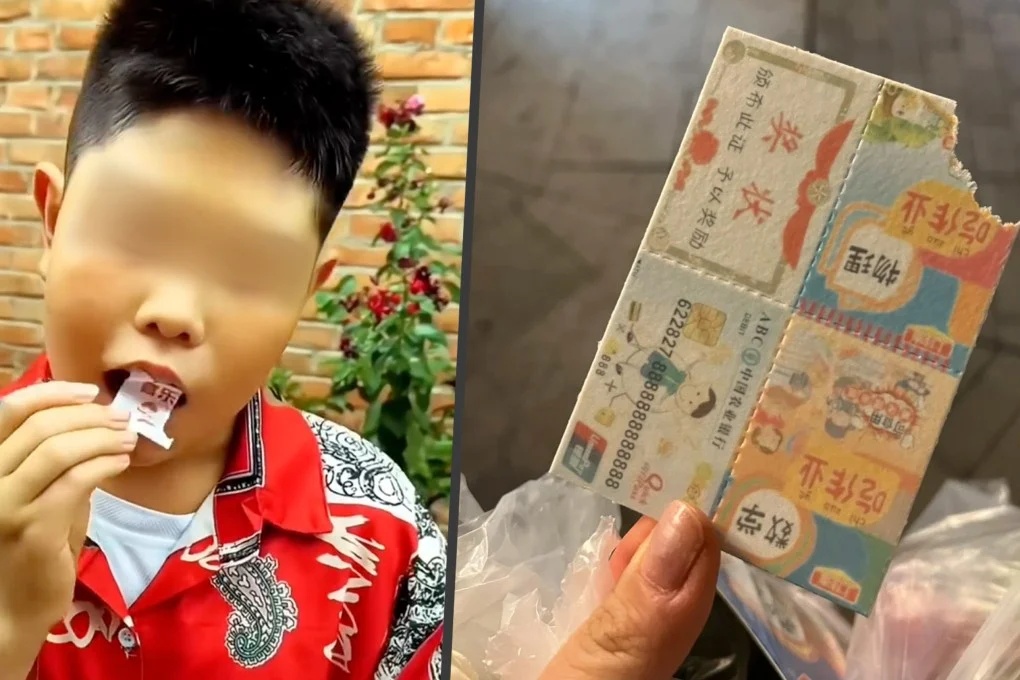
A bizarre trend has emerged in China: students are eating rice-paper snacks designed to look like textbooks and workbooks to cope with exam stress. The snacks sell for under 0.50 yuan each and are marketed as "stress reducers." While some parents find them harmless, state media has raised concerns about food coloring that may not meet safety standards.
翻译 Translation
最近,中国的中小学生中流行起一种奇怪的零食。这种零食叫“作业”,外形模仿课本和练习册,但可以吃。学生们用它来应付考试压力。这个现象在社交媒体上引发了大量讨论,很多人觉得有趣,也有人担心食品安全。
Recently, a strange snack has become popular among primary and secondary school students in China. This snack is called “homework”; its appearance imitates textbooks and workbooks, but it can be eaten. Students use it to cope with exam pressure. This phenomenon has triggered a lot of discussion on social media; many people find it amusing, and some worry about food safety.
应付
to deal with; to cope with
verb
他随便说了几句话,应付了那个问题。
He said a few random words to deal with that question.
缓解
to relieve; to ease
verb
听音乐可以缓解压力。
Listening to music can relieve stress.
焦虑
anxiety; anxious
noun/adjective
考试前他感到很焦虑。
He felt very anxious before the exam.
负担
burden; to bear
noun/verb
作业太多,学生的负担很重。
There is too much homework, and students' burden is very heavy.
零食
snack
noun
小孩子都喜欢吃零食。
Children all like eating snacks.
模仿
to imitate; to mimic
verb
他喜欢模仿电影里的角色。
He likes imitating characters in movies.
课本
textbook
noun
请翻开课本第20页。
Please open your textbook to page 20.
练习册
workbook; exercise book
noun
老师让我们把练习册交上去。
The teacher asked us to hand in our workbooks.
电商
e-commerce
noun
电商平台上的东西越来越多了。
There are more and more things on e-commerce platforms.
包装
packaging; to package
noun/verb
这个礼物的包装很漂亮。
The packaging of this gift is very beautiful.
标语
slogan
noun
墙上写着“好好学习”的标语。
There is a slogan on the wall saying “study hard.”
促销
to promote; promotion
verb/noun
这家超市正在促销水果。
This supermarket is promoting fruit.
改善
to improve
verb
多运动可以改善睡眠质量。
Exercising more can improve sleep quality.
成绩
grade; score; achievement
noun
他这次考试的成绩很好。
His grades on this exam are very good.
设计
to design; design
verb/noun
这个房间的设计很简单。
The design of this room is very simple.
词典
dictionary
noun
遇到生词可以查词典。
When you encounter new words, you can look them up in the dictionary.
奖状
certificate of merit
noun
他拿着一张奖状回家了。
He went home holding a certificate of merit.
奖学金
scholarship
noun
她获得了学校的奖学金。
She received a scholarship from the school.
灵感
inspiration
noun
他的灵感来自一次旅行。
His inspiration came from a trip.
动画
animation; cartoon
noun
弟弟每天都要看动画片。
My younger brother watches cartoons every day.
漫画
comic; manga
noun
他收集了很多漫画书。
He collected many comic books.
背诵
to memorize; to recite
verb
我们需要背诵这首古诗。
We need to memorize this ancient poem.
古代
ancient times
noun
古代的人没有手机。
People in ancient times did not have mobile phones.
书法
calligraphy
noun
爷爷每天早上练习书法。
Grandpa practices calligraphy every morning.
留言
to leave a message; comment
verb/noun
他在网上留言说很喜欢这个视频。
He left a comment online saying he really liked this video.
监督
to supervise; supervision
verb/noun
家长应该监督孩子做作业。
Parents should supervise their children doing homework.
成分
ingredient; component
noun
这种饮料的主要成分是水。
The main ingredient of this drink is water.
淀粉
starch
noun
米饭里有很多淀粉。
Rice contains a lot of starch.
色素
coloring; pigment
noun
这种糖里加了红色色素。
Red coloring was added to this candy.
标准
standard; up to standard
noun/adjective
这个产品的质量达到了国家标准。
The quality of this product has reached national standards.
允许
to allow; to permit
verb
这里不允许抽烟。
Smoking is not allowed here.
厂家
manufacturer; factory
noun
厂家说这个产品保修一年。
The manufacturer says this product has a one-year warranty.
声称
to claim; to assert
verb
他声称自己会五种语言。
He claims he can speak five languages.
肝脏
liver
noun
喝酒太多会伤害肝脏。
Drinking too much alcohol can harm the liver.
肾脏
kidney
noun
肾脏是人体重要的器官。
The kidney is an important organ of the human body.
功能
function
noun
这款手机有很多新功能。
This phone has many new functions.
建议
to suggest; suggestion
verb/noun
老师建议我们多读中文书。
The teacher suggested we read more Chinese books.
限制
to limit; restriction
verb/noun
这里限制车速。
There is a speed limit here.
便利店
convenience store
noun
我在便利店买了一瓶水。
I bought a bottle of water at the convenience store.
文具店
stationery store
noun
学校旁边有一家文具店。
There is a stationery store next to the school.
在……背景下 (zài... bèijǐng xià)
“在……背景下” means “against the backdrop of...” or “in the context of...”
It is used to describe the broader situation or environment in which something happens.
The structure is “在 + situation + 背景下.” It is very common in news analysis, academic writing, and formal speeches because it helps connect a specific event to a larger context.
在应试教育的背景下,学生从小学到中学都承受着巨大的学业负担。
Against the backdrop of exam-oriented education, students from primary school to secondary school bear enormous academic burdens.
在经济全球化的背景下,学习外语变得越来越重要。
In the context of economic globalization, learning foreign languages is becoming more and more important.
在科技快速发展的背景下,AI进入了我们的生活。
Against the backdrop of rapid technological development, AI has entered our lives.

You may also like


Subscribe
Login
0 Comments
Oldest