
Himalayan Glacier Collapse Triggers Deadly Flood
喜马拉雅冰川坍塌引发致命洪灾
Xǐmǎlāyǎ bīngchuān tāntā yǐnfā zhìmìng hóngzāi
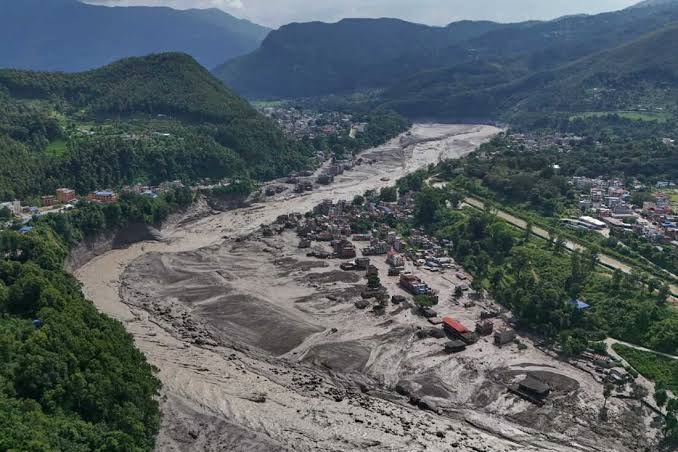
On August 26, 2026, a massive glacier collapse in the Himalayas along the Nepal-China border triggered a deadly flood. Over 1,400 people died and more than 6,000 remain missing. Scientists say climate change is making such disasters more likely, and early warning remains extremely difficult.
翻译 Translation
2026年8月26日早上,喜马拉雅山脉发生了一场巨大的冰川坍塌。大量的冰和石头从高山上掉下来,速度非常快。它们冲进山谷,形成了可怕的洪水和泥石流。这场灾害发生在尼泊尔和中国西藏的边境地区。
On the morning of August 26, 2026, a massive glacier collapse occurred in the Himalayas. A huge amount of ice and rock fell from the high mountains at extremely high speed. They rushed into the valley, creating terrifying floods and mudslides. The disaster happened in the border region between Nepal and China's Tibet.
山脉
mountain range
noun
喜马拉雅山脉是世界上最年轻的山脉之一。
The Himalayas are one of the youngest mountain ranges in the world.
冰川
glacier
noun
这里的冰川每年都在变小。
The glaciers here are shrinking every year.
坍塌
to collapse; to cave in
verb
那栋旧楼因为地震坍塌了。
That old building collapsed because of the earthquake.
大量
a large amount of; a great deal of
adjective
这家工厂每天需要大量的水。
This factory needs a large amount of water every day.
石头
stone; rock
noun
他坐在石头上休息了一会儿。
He sat on a rock and rested for a while.
山谷
valley
noun
山谷里开满了野花。
The valley is full of wildflowers.
洪水
flood
noun
洪水淹没了整个村子。
The flood submerged the entire village.
泥石流
mudslide; debris flow
noun
下大雨的时候,这里容易发生泥石流。
When it rains heavily, mudslides easily occur here.
边境
border; frontier
noun
他们在边境地区工作了三年。
They worked in the border area for three years.
冲走
to wash away; to sweep away
verb
大水把桥冲走了。
The flood washed the bridge away.
村庄
village
noun
这个村庄只有一百多个人。
This village has only about a hundred people.
桥梁
bridge
noun
这座桥梁连接了两个城市。
This bridge connects two cities.
逃跑
to run away; to escape
verb
小偷看到警察就逃跑了。
The thief ran away when he saw the police.
死亡
to die; death
verb/noun
这次事故造成了三人死亡。
This accident caused three deaths.
失踪
to go missing; to be missing
verb
那只小狗失踪三天了。
That puppy has been missing for three days.
口岸
port; border crossing
noun
这个口岸每天有很多货车经过。
Many trucks pass through this border crossing every day.
贸易
trade
noun
两国之间的贸易越来越多了。
Trade between the two countries is increasing.
通道
passage; route; corridor
noun
这条通道是去机场的必经之路。
This route is the only way to the airport.
摧毁
to destroy; to wreck
verb
台风摧毁了很多房屋。
The typhoon destroyed many houses.
全球
the whole world; global
noun/adjective
全球的气温都在升高。
Global temperatures are rising everywhere.
气候
climate
noun
这里的气候很适合种水果。
The climate here is very suitable for growing fruit.
变暖
to become warm; to warm up
verb
冬天一年比一年变暖了。
Winters are getting warmer year by year.
高原
plateau; highland
noun
青藏高原被称为“世界屋脊”。
The Qinghai-Tibet Plateau is called "the roof of the world."
升温
to warm up; to rise in temperature
verb
全球升温是一个严重的问题。
Global warming is a serious problem.
融化
to melt
verb
春天到了,河里的冰开始融化。
Spring has arrived, and the ice in the river is starting to melt.
稳定
stable; to stabilize
adjective/verb
他的情绪现在很稳定。
His emotions are stable now.
灾难
disaster; catastrophe
noun
这场灾难让很多人失去了家园。
This disaster left many people homeless.
救援
to rescue; rescue
verb/noun
救援人员很快就到了现场。
Rescue workers arrived at the scene quickly.
无人机
drone; unmanned aerial vehicle
noun
无人机可以用来拍照和送货。
Drones can be used for taking photos and delivering goods.
监测
to monitor; monitoring
verb/noun
医生需要监测病人的心跳。
Doctors need to monitor the patient's heartbeat.
设备
equipment; device
noun
实验室里有很多新设备。
There is a lot of new equipment in the laboratory.
困难
difficult; difficulty
adjective/noun
学习一门新语言会遇到很多困难。
Learning a new language involves facing many difficulties.
危险
dangerous; danger
adjective/noun
一个人走夜路很危险。
Walking alone at night is dangerous.
气象
meteorology; weather conditions
noun
气象部门发布了暴雨预警。
The meteorological department issued a rainstorm warning.
水文
hydrology
noun
水文数据可以帮助预测洪水。
Hydrological data can help predict floods.
数据
data
noun
研究人员分析了很多数据。
Researchers analyzed a lot of data.
合作
to cooperate; cooperation
verb/noun
两个公司决定合作开发新产品。
The two companies decided to cooperate on developing a new product.
预警
to give early warning; early warning
verb/noun
地震预警系统可以拯救很多生命。
Earthquake early warning systems can save many lives.
保护
to protect; protection
verb/noun
我们应该保护环境,保护地球。
We should protect the environment and protect the Earth.
随着…… (suízhe...)
Structure: 随着 + [change A] + [change B]
“随着” means “along with” or “as.” It introduces a change that happens together with another change.
It is very common in news and formal writing because it expresses a cause-and-effect relationship between two ongoing developments.
随着气候继续变暖,类似的灾害可能会越来越多。
As the climate continues to warm, similar disasters may become more and more frequent.
随着城市的发展,越来越多的人搬到了郊区。
As the city develops, more and more people have moved to the suburbs.
随着他的中文越来越好,他也越来越自信了。
As his Chinese gets better and better, he also becomes more and more confident.
来不及…… (láibují...)
Structure: 来不及 + [verb phrase]
“来不及” means “there is not enough time to do something” or “it is too late to do something.” It is used when something happens so suddenly or quickly that there is no time to react.
It is different from “没时间,” which simply states a lack of time; “来不及” emphasizes that the time has already passed or is too short.
很多人来不及逃跑。
Many people had no time to escape.
火车马上就要开了,我们来不及买票了。
The train is about to leave; we do not have time to buy tickets.
他走得太快了,我来不及跟他说再见。
He walked too fast, and I did not have time to say goodbye to him.
被……了 (bèi... le)
Structure: A + 被 + (B) + [verb] + 了
This is the passive voice in Chinese. “被” is placed before the verb to show that the subject is receiving the action.
It is very common in news reports because it allows the writer to focus on what happened to someone or something rather than who did it.
吉隆口岸被完全摧毁了。
The Gyirong Port was completely destroyed.
我的手机被弟弟摔坏了。
My phone was broken by my younger brother.
那棵大树被风吹倒了。
That big tree was blown down by the wind.
越来越…… (yuè lái yuè...)
Structure: 越来越 + [adjective / verb phrase]
“越来越” means “more and more” or “increasingly.” It is placed before an adjective or a verb phrase to show that a change is growing over time.
类似的灾害可能会越来越多。
Similar disasters may become more and more frequent.
他的身体越来越好了。
His health is getting better and better.
这里的游客越来越多了。
There are more and more tourists here.
正在…… (zhèngzài...)
Structure: 正在 + [verb phrase]
“正在” means “in the process of” or “currently doing something.” It is placed before a verb to show that an action is happening right now.
科学家正在研究新的预警方法。
Scientists are researching new early warning methods.
他正在打电话,请稍等。
He is on the phone right now; please wait a moment.
外面正在下大雨,我们等一下再走。
It is raining heavily outside right now; let's wait a bit before leaving.

You may also like
China’s High-Speed Rail Network Extends Further into Remote Areas
September 22, 2026


Europe Revives Night Sleeper Trains as Demand for Green Travel Grows
September 15, 2026
Subscribe
Login
0 Comments
Oldest