
Chinese Doctor Quits 20-Year Medical Career to Open Steamed Bun Shop for Mental Health Relief
中国医生放弃20年从医生涯,转行开包子铺以缓解精神压力
Zhōngguó yīshēng fàngqì èrshí nián cóngyī shēngyá, zhuǎnháng kāi bāozi pù yǐ huǎnjiě jīngshén yālì
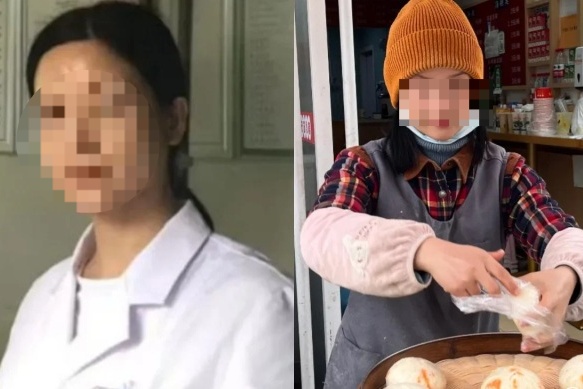
A 48-year-old Chinese doctor who spent over 20 years in medicine quit her career to open a steamed bun shop in Wuhan. She says running the shop is busy and tiring, but she feels happier than ever. Her story reflects a growing trend of Chinese doctors leaving high-stress medical jobs for simpler work. Experts say burnout among doctors is a structural problem affecting the entire industry.
翻译 Translation
在中国,一位从医二十余年的女医生三年前做出了一个令人意外的决定:放弃医生职业,开一家包子铺。随着时间的推移,她的包子铺不仅在竞争激烈的餐饮行业中生存了下来,而且生意越做越好,今年七月还开了第二家分店。这位医生名叫董敏,今年48岁,在接受采访时说:“当医生的时候,辞职的念头经常出现在我脑海里。现在开包子铺,每天又忙又累,但我开心得停不下来。”
In China, a female doctor who practised medicine for over 20 years made a surprising decision three years ago: to give up her medical career and open a steamed bun shop. As time passed, her bun shop not only survived in the highly competitive food and beverage industry but also flourished, and she opened a second outlet in July this year. The doctor's name is Dong Min, 48 years old. In an interview with Changjiang Daily, she said: “When I was a doctor, the thought of quitting often crossed my mind. Now running a bun shop, I am busy and tired every day, but I am so happy that I cannot stop.”
董敏1999年毕业于武汉大学医学院,之后在深圳开始了妇产科医生的职业生涯。几年后,她回到武汉,协助母亲经营一家私人诊所。母亲退休后,她们关闭了诊所,回到湖北天门老家。在那里,董敏担任了一家小型社区医院的医生和法定代表人。与普通医生不同,她不仅要看病,还要处理大量非医疗事务。由频繁的政府检查所引起的压力,让她感到身心俱疲。
Dong Min graduated from Wuhan University School of Medicine in 1999 and then began her career as a gynaecologist in Shenzhen. A few years later, she returned to Wuhan to help her mother run a private clinic. After her mother retired, they closed the clinic and returned to their hometown of Tianmen in Hubei. There, Dong Min served as a doctor and legal representative of a small community hospital. Unlike ordinary doctors, she not only had to treat patients but also handle a large number of non-medical affairs. The pressure caused by frequent government inspections left her feeling physically and mentally exhausted.
从医
to practise medicine
verb
他从医三十年,救治了无数病人。
He practised medicine for thirty years and treated countless patients.
职业生涯
professional career
noun
她的职业生涯非常成功。
Her professional career has been very successful.
辞职
to resign; to quit a job
verb
他上个月从公司辞职了。
He resigned from the company last month.
转行
to change careers
verb
她四十岁时决定转行做老师。
She decided to change careers and become a teacher at forty.
餐饮
food and beverage
noun
他在餐饮行业工作了十年。
He worked in the food and beverage industry for ten years.
竞争
to compete; competition
verb/noun
这个行业的竞争非常激烈。
Competition in this industry is very fierce.
分店
branch store
noun
这家餐厅在全国有五十家分店。
This restaurant has fifty branches nationwide.
妇产科
obstetrics and gynaecology
noun
她是一名妇产科医生。
She is an obstetrics and gynaecology doctor.
诊所
clinic
noun
附近有一家牙科诊所。
There is a dental clinic nearby.
法定代表人
legal representative
noun
他是这家公司的法定代表人。
He is the legal representative of this company.
非医疗
non-medical
adjective
医生还要处理很多非医疗事务。
Doctors also have to handle many non-medical affairs.
频繁
frequent; frequently
adjective/adverb
这里冬天频繁下雪。
It snows frequently here in winter.
身心俱疲
physically and mentally exhausted
idiom
连续加班一个月,他身心俱疲。
After working overtime for a month straight, he was physically and mentally exhausted.
医患关系
doctor-patient relationship
noun
良好的医患关系对治疗很重要。
A good doctor-patient relationship is important for treatment.
医疗纠纷
medical dispute
noun
医疗纠纷需要通过法律途径解决。
Medical disputes need to be resolved through legal channels.
承担
to bear; to undertake
verb
他愿意承担全部责任。
He is willing to bear full responsibility.
心理负担
psychological burden
noun
长期的心理负担会影响健康。
Long-term psychological burden can affect health.
承受
to bear; to endure
verb
她承受了很大的压力。
She endured a lot of pressure.
手艺
craft; skill
noun
他做包子的手艺非常好。
His craft of making buns is excellent.
掌握
to master; to grasp
verb
她很快掌握了这门技术。
She quickly mastered this skill.
乐趣
joy; pleasure
noun
他在工作中找到了乐趣。
He found joy in his work.
采购
to purchase; to procure
verb
她负责采购店里的原料。
She is responsible for purchasing the shop's ingredients.
原料
raw material; ingredient
noun
做面包需要好的原料。
Making bread requires good ingredients.
成本
cost
noun
他们努力降低生产成本。
They work hard to reduce production costs.
体面
decent; respectable
adjective
在很多人眼里,医生是一份体面的工作。
In many people's eyes, being a doctor is a decent job.
在乎
to care about; to mind
verb
他不在乎别人怎么说。
He does not care what others say.
支持
to support; support
verb/noun
家人最终支持了她的选择。
Her family eventually supported her choice.
反对
to oppose; to object
verb
起初家人反对她的决定。
At first her family opposed her decision.
态度
attitude
noun
他的态度发生了很大的变化。
His attitude changed a great deal.
并非个例
not an isolated case
phrase
这种情况并非个例,很多人都有同样的经历。
This situation is not an isolated case; many people have had similar experiences.
临床
clinical
adjective/noun
他有丰富的临床经验。
He has rich clinical experience.
收入
income
noun
他的收入比以前高了很多。
His income is much higher than before.
工资
salary; wages
noun
这份工作的工资不错。
The salary for this job is not bad.
引起
to cause; to arouse
verb
这个事件引起了社会的广泛关注。
This incident aroused widespread social attention.
患者
patient
noun
医生每天要看很多患者。
Doctors see many patients every day.
行政负担
administrative burden
noun
过多的行政负担影响了医生的工作。
Excessive administrative burdens affect doctors' work.
倦怠
burnout; weary
noun/adjective
长期加班容易让人产生职业倦怠。
Working overtime for a long time easily leads to professional burnout.
结构性
structural
adjective
这是一个结构性问题,需要系统解决。
This is a structural problem that requires systematic solutions.
投诉
to complain; complaint
verb/noun
顾客向公司投诉了这个问题。
The customer complained to the company about this issue.
风险
risk
noun
投资总是有风险的。
Investment always involves risk.
反映
to reflect; to mirror
verb
工资应该反映员工的能力和贡献。
Salary should reflect an employee's ability and contribution.
现状
current situation; status quo
noun
我们需要改变这种现状。
We need to change this current situation.
无声
silent
adjective
他的抗议是无声的。
His protest was silent.
回应
to respond; response
verb/noun
公司没有回应这个问题。
The company did not respond to this issue.
标准答案
standard answer
noun
人生没有标准答案。
There are no standard answers in life.
转折
turning point
noun
那是他人生中的一个重要转折。
That was an important turning point in his life.
意义
meaning; significance
noun
这个活动的意义很重大。
The significance of this activity is great.
意愿
wish; will
noun
我们应该尊重每个人的意愿。
We should respect everyone's wishes.
看似
seemingly; apparently
adverb
这看似简单,实际上很难。
This seems simple but is actually very difficult.
光明
bright; promising
adjective
他的未来一片光明。
His future is bright.
由……引起 (yóu... yǐnqǐ)
“由……引起” means “caused by” or “aroused by.” It is used to indicate the source or cause of something, especially negative things like pressure, problems, or disputes.
The structure is “A 由 B 引起” or “由 B 引起的 A.”
It is very common in news reports, analysis, and formal writing when explaining the origin of an issue.
由频繁的政府检查所引起的压力,让她感到身心俱疲。
The pressure caused by frequent government inspections left her physically and mentally exhausted.
这场火灾是由电线老化引起的。
This fire was caused by ageing electrical wires.
由空气污染引起的健康问题越来越严重。
Health problems caused by air pollution are becoming more and more serious.
与……相比 (yǔ... xiāngbǐ)
“与……相比” means “compared with...” or “in comparison to...” It is used to compare two things, situations, or people.
The structure is “与 + A + 相比, B + ...”.
It helps the speaker highlight differences or similarities between two things.
与过去相比,她现在每天工作十多个小时,却感受不到任何心理压力。
Compared with the past, she now works more than ten hours a day but feels no psychological pressure at all.
与城市相比,乡村的生活节奏更慢。
Compared with cities, the pace of life in the countryside is slower.
与去年相比,今年的销售额增长了很多。
Compared with last year, this year's sales have grown a lot.
在……看来 (zài... kànlái)
“在……看来” means “in someone's view” or “from someone's perspective.” It is used to introduce someone's opinion or judgment.
The structure is “在 + person + 看来, + opinion.”
It is very common in both spoken and written Chinese when expressing subjective views. It is similar to “对……来说” but focuses more on opinion and judgment rather than personal impact.
在董敏看来,医生这个职业所承受的精神压力远超外人的想象。
In Dong Min's view, the mental pressure borne by the medical profession far exceeds what outsiders can imagine.
在我看来,健康比金钱更重要。
In my view, health is more important than money.
在很多人看来,这是一个难得的机会。
In many people's view, this is a rare opportunity.
除了……以外 (chúle... yǐwài)
“除了……以外” means “besides...” or “apart from...” It is used to add extra information or to exclude something.
The structure is “除了 + A + 以外, 还/也/都 + B.”
When followed by “还” or “也,” it means “besides”; when followed by “都,” it means “except.”
除了治疗病人以外,她还要投入大量精力应对各种非医疗事务。
Apart from treating patients, she also had to invest a great deal of energy in dealing with various non-medical affairs.
除了中文以外,他还会说英语和法语。
Besides Chinese, he can also speak English and French.
除了小明以外,大家都来了。
Everyone came except Xiao Ming.
没有比……更…… (méiyǒu bǐ... gèng...)
“没有比……更……” means “there is nothing more... than...” It is used to emphasize that something is the most extreme or the best in a certain aspect.
The structure is “没有比 + A + 更 + adjective + 的 + 了.”
It is a strong way to express a superlative. It is similar to “最……”, but it adds extra emphasis.
没有比按照自己的意愿生活更幸福的事了。
There is nothing happier than living according to one's own wishes.
没有比家人的健康更重要的事了。
There is nothing more important than the health of one's family.
没有比失去朋友更让人难过的事了。
There is nothing sadder than losing a friend.

You may also like

The 83rd Venice International Film Festival Opens
September 4, 2026

Chinese Students ‘Eating Homework’ to Relieve Exam Stress
September 2, 2026
Subscribe
Login
0 Comments
Oldest