
Earth Has Lost More Than 12 Trillion Tons of Ice in 47 Years
地球47年间失去超过12万亿吨冰
Dìqiú sìshíqī nián jiān shīqù chāoguò shí'èr wàn yì dūn bīng
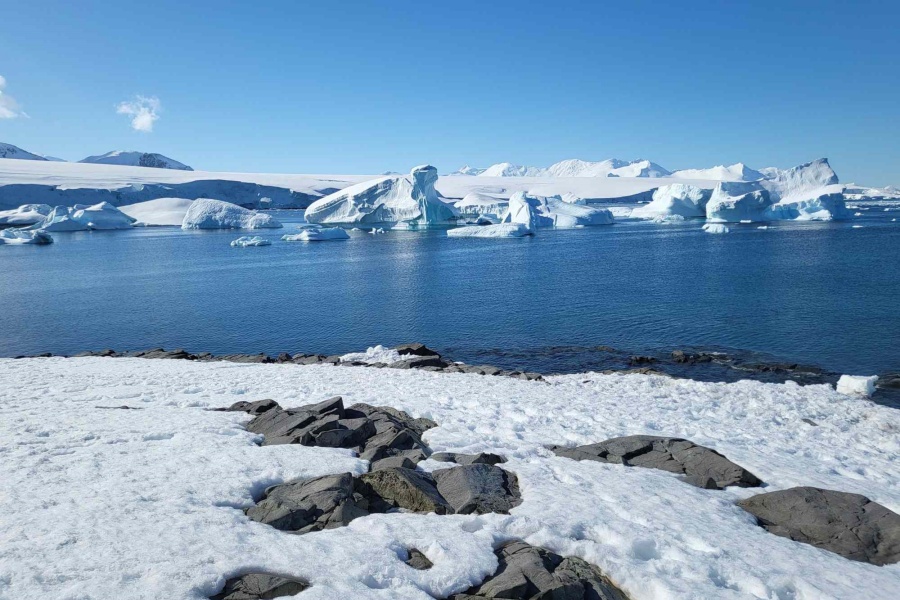
Scientists say Earth lost more than 12 trillion tons of ice in 47 years. This raised global sea levels by about 31.4 millimeters. Most ice loss came from glaciers flowing faster into the ocean, not from surface melting. Ice loss has accelerated since the 1990s. Scientists warn that coastal floods and erosion will become more serious.
翻译 Translation
最近,一项研究显示,地球在47年里失去了超过12万亿吨冰。这项研究由58位科学家完成。据科学家统计,他们使用了27个卫星任务的数据,进行了42次独立的冰盖调查。
Recently, a study shows that Earth has lost more than 12 trillion tons of ice in 47 years. This study was completed by 58 scientists. According to the scientists' statistics, they used data from 27 satellite missions and conducted 42 independent ice sheet surveys.
这是目前最可靠的长期冰盖变化记录。由于海洋吸收了多余的热量,因此海水变暖,冰川流动加速。从1979年到现在,全球海平面上升了大约31.4毫米。
This is the most reliable long-term record of ice sheet changes so far. Because the ocean absorbed excess heat, therefore seawater warmed and glacier flow accelerated. From 1979 to now, global sea levels have risen by about 31.4 millimeters.
研究
to research; research
verb/noun
他们正在研究一种新药。
They are researching a new drug.
显示
to show; to display
verb
调查显示,大多数人喜欢喝茶。
The survey shows that most people like drinking tea.
失去
to lose
verb
他失去了工作,但很快找到了新的。
He lost his job but quickly found a new one.
超过
to exceed; to surpass
verb
这个班的学生超过五十人。
The students in this class exceed fifty.
万亿
trillion
numeral
公司的市值超过一万亿元。
The company's market value exceeds one trillion yuan.
吨
ton
noun
这辆卡车可以运载十吨货物。
This truck can carry ten tons of goods.
冰
ice
noun
河里的冰开始融化了。
The ice in the river is starting to melt.
科学家
scientist
noun
科学家们正在研究气候变化。
Scientists are studying climate change.
完成
to complete
verb
我完成了今天的作业。
I completed today's homework.
使用
to use
verb
请正确使用这台机器。
Please use this machine correctly.
卫星
satellite
noun
卫星可以拍摄地球的照片。
Satellites can take photos of the Earth.
任务
task; mission
noun
我们的任务今天必须完成。
Our task must be completed today.
数据
data
noun
这些数据非常重要。
These data are very important.
统计
to count; statistics
verb/noun
据学校统计,今年有500名新生。
According to the school's statistics, there are 500 new students this year.
冰盖
ice sheet
noun
格陵兰冰盖正在缩小。
The Greenland ice sheet is shrinking.
融化
to melt
verb
太阳出来后,雪很快就融化了。
After the sun came out, the snow melted quickly.
发现
to discover; to find
verb
我发现这本书很有意思。
I found this book very interesting.
冰川
glacier
noun
这座冰川每年都在变小。
This glacier gets smaller every year.
流动
to flow
verb
河水缓缓地流动着。
The river water flows slowly.
进入
to enter
verb
他进入了房间,关上了门。
He entered the room and closed the door.
海洋
ocean
noun
海洋里有很多种鱼。
There are many kinds of fish in the ocean.
表面
surface
noun
桌子表面很干净。
The surface of the table is very clean.
吸收
to absorb
verb
植物吸收阳光和水分。
Plants absorb sunlight and water.
多余
excess; surplus
adjective
这些多余的东西可以扔掉。
These excess things can be thrown away.
热量
heat
noun
运动可以产生热量。
Exercise can generate heat.
因此
therefore
conjunction
他生病了,因此没有来上课。
He was sick, therefore he did not come to class.
海水
seawater
noun
海水又咸又凉。
Seawater is both salty and cool.
变暖
to become warm; to warm up
verb
春天来了,天气慢慢变暖了。
Spring has come, and the weather is gradually warming up.
加速
to accelerate
verb
汽车突然加速,冲了过去。
The car suddenly accelerated and rushed forward.
尽管
although
conjunction
尽管下雨了,他还是出门了。
Although it rained, he still went out.
持续
to continue; to last
verb
会议持续了三个小时。
The meeting lasted three hours.
采取
to take (measures)
verb
政府采取了很多新措施。
The government took many new measures.
措施
measure
noun
这些措施很有效。
These measures are very effective.
全球
the whole world; global
noun/adjective
全球气温正在上升。
Global temperatures are rising.
海平面
sea level
noun
海平面上升会威胁沿海城市。
Sea level rise will threaten coastal cities.
上升
to rise
verb
气球慢慢上升了。
The balloon slowly rose.
大约
about; approximately
adverb
从这里到学校大约需要十分钟。
It takes about ten minutes from here to school.
毫米
millimeter
noun
这张纸的厚度不到一毫米。
The thickness of this paper is less than one millimeter.
世纪
century
noun
21世纪是科技的时代。
The 21st century is an era of technology.
年代
decade; years
noun
20世纪80年代,这里还很安静。
In the 1980s, this place was still very quiet.
数字
number; figure
noun
这个数字太大了,我不相信。
This number is too big; I do not believe it.
增加
to increase
verb
今年学生人数增加了。
The number of students increased this year.
减缓
to slow down; to mitigate
verb
我们需要减缓交通拥堵。
We need to alleviate traffic congestion.
必须
must; have to
adverb
你必须按时完成作业。
You must finish your homework on time.
减少
to reduce; to decrease
verb
我们应该减少浪费。
We should reduce waste.
温室气体
greenhouse gas
noun
温室气体会导致全球变暖。
Greenhouse gases cause global warming.
排放
to emit; emission
verb/noun
工厂排放的废水污染了河流。
Wastewater emitted by the factory polluted the river.
通过
through; by means of; to pass
preposition/verb
通过努力学习,他考上了大学。
Through hard work, he got into university.
燃烧
to burn
verb
木头在火里燃烧。
The wood is burning in the fire.
化石燃料
fossil fuel
noun
化石燃料包括煤、石油和天然气。
Fossil fuels include coal, oil, and natural gas.
据……统计 (jù... tǒngjì)
“据……统计” means “according to... statistics.” It is used to introduce official or reliable numbers. The structure is “据 + source + 统计.” It tells the reader where the numbers come from.
据学校统计,今年有500名新生。
According to the school's statistics, there are 500 new students this year.
据医院统计,冬天感冒的人更多。
According to hospital statistics, more people catch colds in winter.
据公司统计,今年的销售额增长了10%。
According to the company's statistics, sales increased by 10% this year.
由于……因此…… (yóuyú... yīncǐ...)
“由于……因此……” means “because... therefore...” It is used to show cause and effect in a formal way. The part after “由于” is the reason, and the part after “因此” is the result.
由于天气不好,因此比赛取消了。
Because the weather was bad, therefore the match was cancelled.
由于他学习努力,因此成绩很好。
Because he studies hard, therefore his grades are good.
由于路上堵车,因此他迟到了。
Because there was a traffic jam, therefore he was late.
尽管……还是…… (jǐnguǎn... háishì...)
“尽管……还是……” means “although... still...” It is used to contrast two ideas. The part after “尽管” is a fact, and the part after “还是” is a surprising result.
尽管下雨了,他还是出门了。
Although it rained, he still went out.
尽管很累,她还是坚持完成了工作。
Although she was very tired, she still persisted in finishing the work.
尽管这道题很难,他还是做出来了。
Although this problem was difficult, he still solved it.
为了…… (wèile...)
“为了……” means “in order to...” or “for...” It is used to introduce a purpose or goal. The structure is “为了 + purpose, + action.”
为了学好中文,他每天练习。
In order to learn Chinese well, he practices every day.
为了健康,我们应该多运动。
For health, we should exercise more.
为了赶上火车,他跑得很快。
In order to catch the train, he ran very fast.
Tag:Tech & Science

You may also like
China’s High-Speed Rail Network Extends Further into Remote Areas
September 22, 2026


Europe Revives Night Sleeper Trains as Demand for Green Travel Grows
September 15, 2026
Subscribe
Login
0 Comments
Oldest