Specialty Mooncakes Hit the Market as Mid-Autumn Festival Approaches
中秋节临近:特色月饼市场走红
Zhōngqiū Jié línjìn: tèsè yuèbǐng shìchǎng zǒuhóng
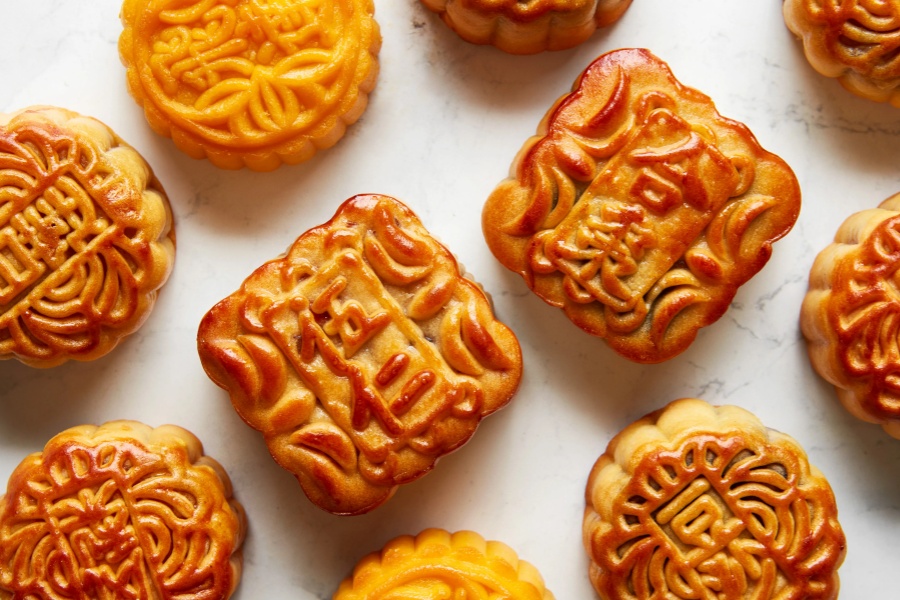
The Mid-Autumn Festival is coming, and mooncakes are very popular. This year, there are many new kinds of mooncakes. Some are good for your health, some look like cities, and some have very strange tastes. People like to buy small and cheap mooncakes, and many like to try new things.
翻译 Translation
中秋节快到了。中秋节是中国的传统节日。这一天,家人一起吃饭,一起吃月饼。月饼是中秋节最重要的食物。今年,很多商店开始卖月饼,买月饼的人很多。
The Mid-Autumn Festival is coming soon. The Mid-Autumn Festival is a traditional Chinese holiday. On this day, family members eat together and eat mooncakes together. Mooncakes are the most important food of the Mid-Autumn Festival. This year, many shops have started selling mooncakes, and many people are buying them.
临近
to approach; to be near
verb
考试临近了,我要开始复习了。
The exam is approaching; I need to start reviewing.
传统
traditional; tradition
adjective/noun
春节是中国最重要的传统节日。
Spring Festival is China's most important traditional holiday.
节日
holiday; festival
noun
我最喜欢的节日是中秋节。
My favorite holiday is the Mid-Autumn Festival.
家人
family members
noun
过年的时候,家人都会回家。
During the New Year, all family members come home.
月饼
mooncake
noun
中秋节我们要吃月饼。
We eat mooncakes during the Mid-Autumn Festival.
商店
shop; store
noun
楼下的商店有很多水果。
The shop downstairs has many fruits.
口味
flavor; taste
noun
你喜欢什么口味的冰淇淋?
What flavor of ice cream do you like?
健康
healthy; health
adjective/noun
多吃蔬菜对身体很健康。
Eating more vegetables is very healthy for your body.
糖
sugar
noun
咖啡里要放糖吗?
Do you want sugar in your coffee?
油
oil
noun
做菜的时候不要放太多油。
Do not put too much oil when cooking.
中药
traditional Chinese medicine
noun
奶奶生病了,她喝的是中药。
Grandma is sick; she drinks traditional Chinese medicine.
山药
Chinese yam
noun
山药可以煮汤,也可以炒着吃。
Chinese yam can be made into soup or stir-fried.
地标
landmark
noun
埃菲尔铁塔是巴黎的地标。
The Eiffel Tower is a landmark of Paris.
朵
(measure word for flowers)
measure word
他送给我一朵花。
He gave me a flower.
奇怪
strange; weird
adjective
这个声音很奇怪。
This sound is very strange.
豆腐
tofu
noun
妈妈今天做了豆腐汤。
Mom made tofu soup today.
辣
spicy; hot
adjective
这个菜太辣了,我吃不了。
This dish is too spicy; I cannot eat it.
听起来
to sound like; to sound
verb phrase
这个主意听起来很好。
This idea sounds very good.
试
to try
verb
你可以试试这件衣服。
You can try this piece of clothing.
变化
change
noun/verb
这几年城市的变化很大。
The city has changed a lot in recent years.
礼盒
gift box
noun
这个礼盒很漂亮,适合送人。
This gift box is very beautiful and suitable for giving as a gift.
便宜
cheap; inexpensive
adjective
这家店的东西很便宜。
The things in this shop are very cheap.
自己
oneself; by oneself
pronoun
我自己做的饭。
I made the meal myself.
本来
originally; at first
adverb
我本来不想去,后来还是去了。
I originally did not want to go, but later I still went.
越来越
more and more
phrase
天气越来越冷了。
The weather is getting colder and colder.
受欢迎
popular
adjective
这首歌很受欢迎。
This song is very popular.
年轻人
young people
noun
很多年轻人喜欢运动。
Many young people like sports.
放
to put; to place
verb
请把书放在桌子上。
Please put the book on the table.
卖
to sell
verb
这家店卖水果和蔬菜。
This shop sells fruits and vegetables.
买
to buy
verb
我想买一件新衣服。
I want to buy a new piece of clothing.
送
to give (as a gift)
verb
他送了我一本书。
He gave me a book.
专家
expert
noun
专家说多喝水对身体好。
Experts say drinking more water is good for your health.
食物
food
noun
我最喜欢的食物是饺子。
My favorite food is dumplings.
重要
important
adjective
好好学习很重要。
Studying hard is very important.
喜欢
to like
verb
我喜欢听音乐。
I like listening to music.
开始
to start; to begin
verb
电影就要开始了。
The movie is about to start.
拍照
to take a photo
verb
我们在公园拍了很多照片。
We took many photos in the park.
网上
online; on the internet
noun
我在网上买了很多东西。
I bought many things online.
觉得
to feel; to think
verb
我觉得这个电影很好看。
I think this movie is very good.
最
most
adverb
他是我最好的朋友。
He is my best friend.
有的……有的…… (yǒude... yǒude...)
This pattern means "some... and some..." It is used when talking about different types or groups within a larger group. The structure is "有的 + A, 有的 + B." It is very common when describing variety or differences. You can use it with people, things, or situations. It helps the speaker show that not everything is the same.
有的月饼很健康,少糖少油。有的月饼里面放了中药。
Some mooncakes are very healthy, with less sugar and less oil. Some mooncakes have Chinese medicine inside.
下课后,有的同学去图书馆,有的同学回家。
After class, some students go to the library, and some students go home.
公园里,有的人在跑步,有的人在跳舞。
In the park, some people are running, and some people are dancing.
越来越…… (yuè lái yuè...)
This pattern means "more and more" or "increasingly." It is placed before an adjective or a verb phrase to show that a change is growing over time. It is very common in spoken and written Chinese. You can use it to talk about weather, feelings, prices, or anything that changes gradually.
人们越来越喜欢健康的食物,所以这些月饼卖得很好。
People like healthy food more and more, so these mooncakes sell very well.
他的中文越来越好。
His Chinese is getting better and better.
夏天越来越热了。
Summer is getting hotter and hotter.
听起来…… (tīng qǐlái...)
"听起来" means "it sounds..." or "it sounds like..." It is used when you hear something and form an opinion or impression about it. The structure is "听起来 + adjective." It is different from "听" alone because it focuses on the impression you get from hearing something, not just the act of listening.
这些月饼听起来很奇怪,但是很多年轻人想试一试。
These mooncakes sound very strange, but many young people want to try them.
这个计划听起来不错。
This plan sounds pretty good.
你的主意听起来很有意思。
Your idea sounds very interesting.
不是……,是…… (bú shì... shì...)
This pattern means "is not... it is..." It is used to correct a wrong idea and give the correct one. The first part after "不是" is the wrong or rejected option, and the part after "是" is the correct option. It is very common in daily conversation when someone wants to clarify something.
很多人买月饼是自己吃,不是送人。
Many people buy mooncakes to eat themselves, not to give as gifts.
他不是老师,是医生。
He is not a teacher; he is a doctor.
这不是我的书,是他的。
This is not my book; it is his.
因为……所以…… (yīnwèi... suǒyǐ...)
This pattern means "because... so..." or "because... therefore..." It is one of the most common ways to show cause and effect in Chinese. "因为" introduces the reason, and "所以" introduces the result. You can also use just one of them, but using both makes the relationship very clear.
这是一个好变化,因为月饼本来就是给大家吃的食物。
This is a good change, because mooncakes are originally food for everyone to eat.
因为下雨,所以我没有去公园。
Because it rained, I did not go to the park.
因为他很努力,所以考试考得很好。
Because he worked very hard, he did very well on the exam.

You may also like

Top Mid-Autumn Moon Watching Spots
September 21, 2026
24-Hour Automated Public Libraries in Chinese Cities
September 16, 2026
The Rise of China-Chic Cultural Blind Boxes
September 11, 2026
Subscribe
Login
0 Comments
Oldest