
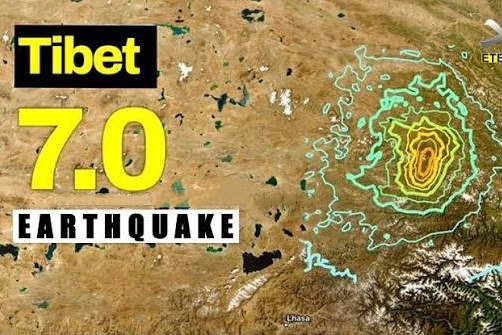
A 7.0-Magnitude Earthquake Hits Tibet
西藏发生7.0级地震,救援人员紧急赶往灾区
Xīzàng fāshēng qī diǎn líng jí dìzhèn, jiùyuán rényuán jǐnjí gǎnwǎng zāiqū
On the night of October 22, 2026, a 7.0-magnitude earthquake hit Baqing County in Nagqu, Tibet. At least 16 people died, and many more were hurt. More than 300 homes fell down. Rescue teams arrived quickly and set up tents for people who lost their homes. The roads to the disaster area are now open, and communication is back.
翻译 Translation
2026年10月22日晚上,中国西藏那曲市巴青县发生了地震。地震的级别是7.0级。地震发生的时候,很多人已经睡觉了。地震的震源深度是10千米。这是一次很强的地震。
On the night of October 22, 2026, an earthquake happened in Baqing County, Nagqu City, Tibet, China. The magnitude of the earthquake was 7.0. When the earthquake happened, many people were already asleep. The depth of the earthquake was 10 kilometres. This was a very strong earthquake.
这次地震让很多人受伤,也有人遇难。地震还让很多房子倒了。根据报道,至少有16个人在地震中遇难,还有几十个人受伤。超过300间房子倒了,一些人没有了家。地震以后,还发生了很多次小的余震。
This earthquake hurt many people, and some people died. The earthquake also made many houses fall down. According to reports, at least 16 people died in the earthquake, and dozens more were hurt. More than 300 houses fell down, and some people lost their homes. After the earthquake, many small aftershocks also happened.
地震
earthquake
noun
地震的时候,要赶快跑到外面去。
When there is an earthquake, you should quickly run outside.
发生
to happen; to occur
verb
昨天这里发生了一起交通事故。
A traffic accident happened here yesterday.
级别
level; magnitude
noun
这次比赛的级别很高。
The level of this competition is very high.
睡觉
to sleep
verb
我每天十点睡觉。
I go to sleep at ten every day.
震源
earthquake source; focus
noun
这次地震的震源很浅。
The focus of this earthquake was very shallow.
深度
depth
noun
这个游泳池的深度是两米。
The depth of this swimming pool is two metres.
千米
kilometre
noun
从我家到学校大约有两千米。
It is about two kilometres from my home to the school.
强
strong; powerful
adjective
昨天的风很强。
The wind yesterday was very strong.
受伤
to be injured
verb
他的手受伤了。
His hand is injured.
遇难
to die in an accident or disaster
verb
那次事故中有两人遇难。
Two people died in that accident.
房子
house
noun
我家的房子不大。
My family's house is not big.
倒
to fall; to collapse
verb
风太大了,树倒了。
The wind was too strong, and the tree fell.
根据
according to
preposition
根据天气预报,明天会下雨。
According to the weather forecast, it will rain tomorrow.
报道
report; to report
noun/verb
我看了一篇关于地震的报道。
I read a report about the earthquake.
至少
at least
adverb
从我家到公司至少需要半个小时。
It takes at least half an hour from my home to the company.
余震
aftershock
noun
大地震之后常常会有余震。
After a big earthquake, there are often aftershocks.
救援
to rescue; rescue
verb/noun
救援人员正在寻找失踪的人。
Rescue workers are looking for the missing people.
灾区
disaster area
noun
很多志愿者去了灾区帮忙。
Many volunteers went to the disaster area to help.
消防员
firefighter
noun
消防员非常勇敢。
Firefighters are very brave.
警察
police
noun
警察在路口指挥交通。
Police are directing traffic at the intersection.
医生
doctor
noun
医生说我需要多休息。
The doctor said I need more rest.
帮忙
to help
verb
你能帮我一个忙吗?
Can you help me?
寻找
to look for; to search for
verb
他正在寻找他的钥匙。
He is looking for his keys.
被困
to be trapped
verb phrase
有人被困在电梯里了。
Someone is trapped in the elevator.
医院
hospital
noun
他生病了,去了医院。
He got sick and went to the hospital.
帐篷
tent
noun
我们在山上搭了一个帐篷。
We set up a tent on the mountain.
冻
to freeze; cold
verb/adjective
今天太冷了,我的手都冻了。
It is so cold today that my hands are freezing.
被子
quilt; blanket
noun
晚上睡觉要盖好被子。
Cover yourself well with the quilt when you sleep at night.
食物
food
noun
我们需要买一些食物。
We need to buy some food.
水
water
noun
请给我一杯水。
Please give me a glass of water.
道路
road
noun
这条道路很宽。
This road is very wide.
通信
communication
noun/verb
地震后,通信中断了。
After the earthquake, communication was cut off.
恢复
to restore; to recover
verb
网络已经恢复了。
The network has been restored.
继续
to continue
verb/adverb
他决定继续学习中文。
He decided to continue studying Chinese.
天气
weather
noun
今天的天气很好。
Today's weather is very good.
冷
cold
adjective
冬天很冷。
Winter is very cold.
困难
difficulty; difficult
noun/adjective
学习中文会遇到一些困难。
Learning Chinese will involve some difficulties.
努力
to work hard; hard-working
verb/adjective
只要努力,就能成功。
As long as you work hard, you can succeed.
希望
to hope; hope
verb/noun
我希望明天是个好天气。
I hope tomorrow is a nice day.
早日
soon; at an early date
adverb
祝你早日康复。
Wish you a speedy recovery.
回到
to return to
verb
他下个月回到北京。
He will return to Beijing next month.
正常
normal
adjective
火车已经恢复正常运行了。
The train has resumed normal operation.
生活
life; to live
noun/verb
他的生活很简单。
His life is very simple.
晚上
night; evening
noun
晚上我喜欢看书。
I like reading in the evening.
已经
already
adverb
我已经吃过饭了。
I have already eaten.
发生了…… (fāshēng le...)
“发生了……” means “... happened.” It is used to say that an event took place. The structure is “Place/Time + 发生了 + Event.” It is a very common pattern for talking about accidents, changes, or important events.
昨天这里发生了一起交通事故。
A traffic accident happened here yesterday.
我们学校发生了一件大事。
A big thing happened at our school.
那个城市去年发生了一次很大的火灾。
A very big fire happened in that city last year.
为了不…… (wèile bù...)
“为了不……” means “in order not to...” or “so as not to...” It is used to say that someone does something to prevent a bad result. The structure is “为了不 + Verb + Result.” It is very common in everyday Chinese when explaining why someone does something.
为了不迟到,他每天很早就出门。
In order not to be late, he leaves home very early every day.
为了不打扰别人,他在图书馆里说话很小声。
In order not to disturb others, he speaks very quietly in the library.
为了不感冒,她出门的时候穿了很多衣服。
In order not to catch a cold, she wore many clothes when she went out.
对……来说 (duì... lái shuō)
“对……来说” means “for...” or “to...” when expressing someone's perspective or situation. It introduces the person or group whose viewpoint is being considered. The structure is “对 + Person/Group + 来说, + Comment.” It is very common when talking about difficulty, importance, or personal experience.
对小孩子来说,学中文很有趣。
For children, learning Chinese is very interesting.
对老人来说,健康是最重要的事。
For elderly people, health is the most important thing.
对外国人来说,写汉字有一点难。
For foreigners, writing Chinese characters is a little difficult.
Tag:Social News

You may also like

Subscribe
Login
0 Comments
Oldest