
Tokyo Sets Record with 34 Consecutive Days of Rain
东京连续34天降雨创纪录
Dōngjīng liánxù sānshísì tiān jiàngyǔ chuàng jìlù
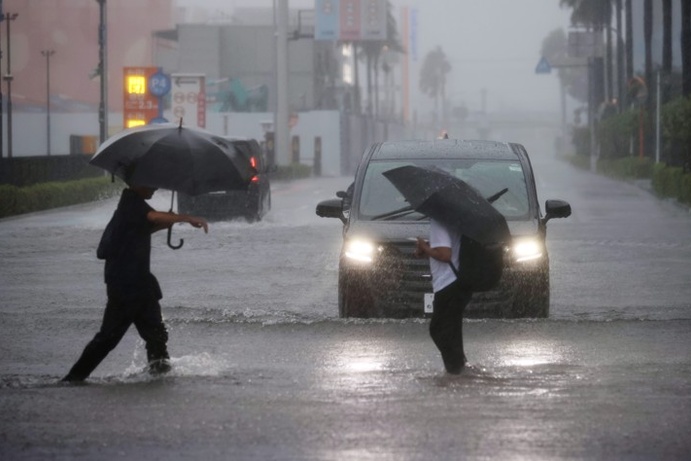
Tokyo has experienced 34 consecutive days of rain since August 27, breaking its 140-year-old record. September's rainfall reached 629 mm, about three times the normal amount. The long rain is caused by a stationary autumn rain front and approaching typhoons. The rain has affected daily life and caused deadly disasters in nearby areas. More rain is expected.
翻译 Translation
最近,日本东京出现了一个新的天气纪录。据日本气象厅统计,截至9月29日,东京都中心地区已经连续降雨34天。这是自1886年有统计以来,东京最长的连续降雨纪录。之前的纪录是2019年的33天。
Recently, a new weather record has appeared in Tokyo, Japan. According to statistics from the Japan Meteorological Agency, as of September 29, the central Tokyo area had experienced 34 consecutive days of rain. This is Tokyo's longest consecutive rainfall record since statistics began in 1886. The previous record was 33 days in 2019.
这次降雨不只是时间长,雨量也很大。截至9月28日,东京都中心地区9月的累计降雨量达到629毫米,大约是往年9月降雨量的3倍。其中,单日降雨量最高的是9月21日,达到了156毫米。
This rain was not only long in duration but also heavy in volume. As of September 28, the cumulative rainfall in central Tokyo for September reached 629 millimeters, about three times the normal September rainfall. Among them, the highest single-day rainfall was on September 21, reaching 156 millimeters.
纪录
record
noun
他打破了这项世界纪录。
He broke this world record.
统计
to count; statistics
verb/noun
据统计,今年游客增加了不少。
According to statistics, tourists have increased quite a bit this year.
截至
as of; up to
preposition
截至昨天,报名人数已经超过一千。
As of yesterday, the number of applicants has exceeded one thousand.
连续
continuously; consecutive
adverb/adjective
他连续工作了十二个小时。
He worked continuously for twelve hours.
降雨
to rain; rainfall
verb/noun
今天的降雨量很大。
Today's rainfall is very heavy.
气象厅
meteorological agency
noun
气象厅发布了台风警报。
The meteorological agency issued a typhoon warning.
累计
cumulative; to accumulate
verb/adjective
这个月的累计销售额比上个月高。
This month's cumulative sales are higher than last month's.
降雨量
rainfall amount
noun
今年的降雨量比往年多。
This year's rainfall is more than usual.
毫米
millimeter
noun
这张纸的厚度不到一毫米。
The thickness of this paper is less than one millimeter.
单日
single day
noun
单日游客数量创下了新高。
The single-day number of tourists set a new high.
气象协会
meteorological association
noun
气象协会发布了长期天气预报。
The meteorological association issued a long-term weather forecast.
分析
to analyse; analysis
verb/noun
我们需要分析一下这个问题。
We need to analyse this problem.
锋面
front (weather)
noun
冷锋面过境后,气温会下降。
After a cold front passes, the temperature will drop.
停滞
to stagnate; to remain stationary
verb
工程因为资金问题停滞了。
The project stagnated because of funding problems.
台风
typhoon
noun
台风带来了大风和暴雨。
The typhoon brought strong winds and heavy rain.
过境
to pass through (a region)
verb
台风过境时,尽量不要出门。
When a typhoon passes through, try not to go out.
水汽
water vapour
noun
空气中的水汽凝结成了云。
Water vapour in the air condensed into clouds.
因素
factor
noun
努力是成功的重要因素。
Hard work is an important factor in success.
铁路
railway
noun
这条铁路连接了两个大城市。
This railway connects two big cities.
班次
scheduled service; run
noun
公交车班次很密。
The bus service is very frequent.
出行
to travel; travel
verb/noun
假期出行的人很多。
Many people travel during holidays.
淹没
to submerge; to flood
verb
洪水淹没了整个村子。
The flood submerged the entire village.
相邻
adjacent; neighbouring
adjective/verb
这两个村子相邻。
These two villages are adjacent.
暴雨
rainstorm; heavy rain
noun
昨晚下了一场暴雨。
There was a rainstorm last night.
受灾
to be affected by a disaster
verb
地震后,受灾地区得到了很多帮助。
After the earthquake, the disaster-affected areas received a lot of help.
停电
to have a power outage
verb
因为台风,家里停电了。
Because of the typhoon, there was a power outage at home.
山体滑坡
landslide
noun
大雨引发了山体滑坡。
The heavy rain triggered a landslide.
阻断
to block; to cut off
verb
泥石流阻断了下山的道路。
The mudslide blocked the road down the mountain.
路基
roadbed
noun
铁路路基需要定期维护。
The railway roadbed needs regular maintenance.
损毁
to damage; to destroy
verb
地震损毁了很多建筑物。
The earthquake damaged many buildings.
修复
to repair; to restore
verb
工人们正在修复这座老桥。
Workers are repairing this old bridge.
逼近
to approach; to draw near
verb
台风正在逼近沿海城市。
The typhoon is approaching the coastal city.
提醒
to remind
verb
请提醒我明天带伞。
Please remind me to bring an umbrella tomorrow.
注意
to pay attention to
verb
过马路要注意安全。
Pay attention to safety when crossing the road.
预测
to predict; prediction
verb/noun
专家预测明天会下雨。
Experts predict it will rain tomorrow.
厄尔尼诺
El Niño
noun
厄尔尼诺现象会影响全球气候。
The El Niño phenomenon affects global climate.
异常
abnormal; abnormally
adjective/adverb
今天天气异常炎热。
Today's weather is abnormally hot.
极端
extreme
adjective/noun
极端天气越来越常见。
Extreme weather is becoming more and more common.
全球
global; the whole world
noun/adjective
全球变暖是一个严重的问题。
Global warming is a serious problem.
例子
example
noun
他举了一个很有说服力的例子。
He gave a very convincing example.
受……影响 (shòu... yǐngxiǎng)
"受……影响" means "affected by..." or "influenced by..." It is used to show that something is changed or caused by a particular factor. The structure is "受 + factor + 影响, + result." It is very common in news reports, weather forecasts, and formal writing.
受台风影响,东京的降雨天气还将继续。
Affected by the typhoon, Tokyo's rainy weather will continue.
受天气影响,今天的航班取消了。
Affected by the weather, today's flight was cancelled.
受经济形势影响,很多公司减少了招聘。
Affected by the economic situation, many companies reduced hiring.
截至…… (jiézhì...)
"截至" means "as of" or "up to." It is used to indicate a specific point in time up to which something has happened or a statistic is valid. The structure is "截至 + time, + statement." It is very common in news reports and formal writing.
截至9月28日,东京9月降雨量累计达到629毫米。
As of September 28, Tokyo's September rainfall reached a cumulative 629 millimetres.
截至昨天,报名人数已经超过一千人。
As of yesterday, the number of applicants has exceeded one thousand.
截至今年年底,这个项目将全部完成。
As of the end of this year, this project will be fully completed.
创下……纪录 (chuàngxià... jìlù)
"创下……纪录" means "to set a... record." It is used to say that someone or something has achieved a new record. The structure is "创下 + adjective + 纪录." It is very common in news reports about sports, weather, and achievements.
东京都中心地区连续降雨34天,创下最长连续降雨纪录。
The central Tokyo area had 34 consecutive days of rain, setting the longest consecutive rainfall record.
这位运动员创下了新的世界纪录。
This athlete set a new world record.
这家公司创下了最高的年度销售额纪录。
This company set the highest annual sales record.
Tag:Social News

You may also like

Tesla’s Third-Quarter Profit Falls 29%
October 29, 2026

China’s Baidu Tests Robotaxi on London Streets
October 28, 2026

Subscribe
Login
0 Comments
Oldest