Ancient China’s “Elephant Washing” Ritual: Bathing Elephants Brings Good Fortune
中国古代的“洗象”仪式:大象洗澡带来好运
Zhōngguó gǔdài de “xǐ xiàng” yíshì: dàxiàng xǐzǎo dàilái hǎoyùn
In ancient China, people believed that elephants could bring good luck. During the Ming and Qing dynasties, there was a special ritual called "elephant washing." Every summer, the emperor's elephants were taken to a river to take a bath. The Chinese word for "washing elephants" sounds like another word that means "good fortune." This made the ritual a symbol of happiness and peace.
翻译 Translation
在中国古代,大象是一种吉祥的动物。人们认为,大象可以带来好运。在明清时期,皇帝养了很多大象。每年夏天最热的时候,皇帝会让人带大象去河边洗澡。这个活动叫“洗象”。
In ancient China, the elephant was an auspicious animal. People believed that elephants could bring good luck. During the Ming and Qing dynasties, the emperor kept many elephants. Every summer, when it was hottest, the emperor would have people take the elephants to the river to bathe. This activity was called “washing elephants.”
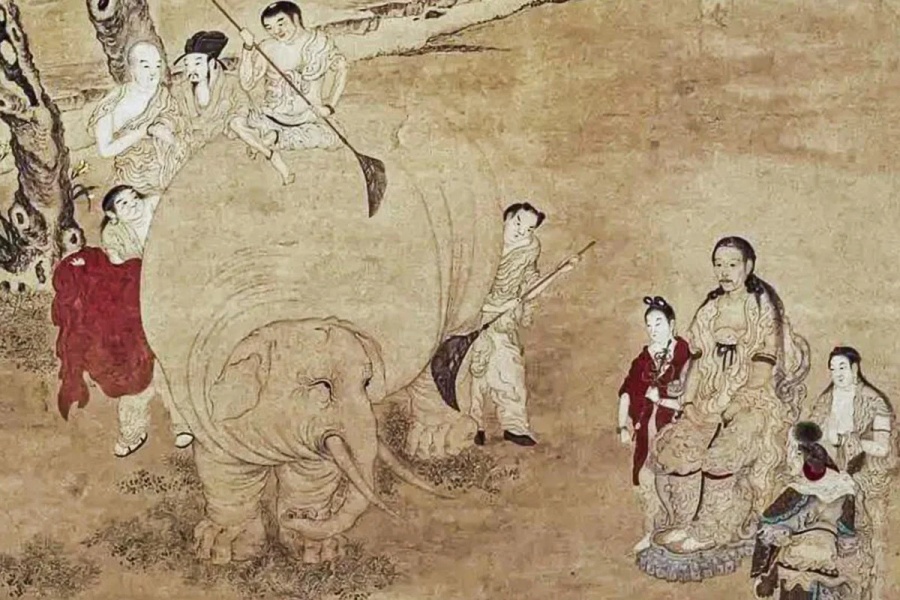
洗象的时候,人们敲鼓、吹号,带着大象走到河边。大象走进水里,用长长的鼻子吸水,再喷出来。水花很高,很好看。大象还会互相喷水,好像在玩游戏。河两岸站满了人,大家都来看大象洗澡。
When washing the elephants, people beat drums and blew horns, leading the elephants to the riverside. The elephants walked into the water, used their long trunks to suck up water, and then sprayed it out. The water splashes were very high and beautiful. The elephants also sprayed water at each other, as if playing a game. Both banks of the river were full of people; everyone came to watch the elephants bathe.
古代
ancient times
noun
古代的人没有手机。
People in ancient times did not have mobile phones.
大象
elephant
noun
大象的鼻子很长。
An elephant's trunk is very long.
吉祥
auspicious; lucky
adjective
红色是中国吉祥的颜色。
Red is an auspicious color in China.
动物
animal
noun
我喜欢去动物园看动物。
I like going to the zoo to see animals.
认为
to think; to believe
verb
我认为这个办法很好。
I think this method is very good.
好运
good luck
noun
祝你新年好运!
Wish you good luck in the New Year!
皇帝
emperor
noun
古代中国有很多皇帝。
Ancient China had many emperors.
养
to keep; to raise
verb
我家养了一只猫。
My family keeps a cat.
洗澡
to bathe; to take a shower
verb
我每天晚上洗澡。
I take a shower every evening.
敲鼓
to beat a drum
verb phrase
节日的时候,人们会敲鼓庆祝。
During festivals, people beat drums to celebrate.
吹号
to blow a horn
verb phrase
他在乐队里吹号。
He blows the horn in the band.
河边
riverside; riverbank
noun
我们在河边散步。
We take a walk by the riverside.
鼻子
nose; trunk
noun
大象用鼻子喝水。
Elephants use their trunks to drink water.
吸水
to suck up water
verb phrase
海绵可以吸水。
Sponges can absorb water.
喷
to spray; to spout
verb
大象用鼻子喷水。
The elephant sprays water with its trunk.
水花
splash; water flower
noun
石头掉进水里,溅起了水花。
The stone fell into the water and made a splash.
互相
each other; mutually
adverb
同学之间要互相帮助。
Classmates should help each other.
游戏
game
noun
孩子们在公园玩游戏。
The children are playing games in the park.
两岸
both banks; both sides
noun
河的两岸有很多树。
There are many trees on both banks of the river.
站
to stand
verb
请站起来。
Please stand up.
发音
pronunciation; to pronounce
noun/verb
他的中文发音很好。
His Chinese pronunciation is very good.
像
to resemble; like
verb/preposition
她长得像妈妈。
She looks like her mother.
画家
painter; artist
noun
这位画家很有名。
This painter is very famous.
画
to paint; painting
verb/noun
他画了一幅山水画。
He painted a landscape painting.
诗人
poet
noun
李白是中国古代著名的诗人。
Li Bai is a famous poet in ancient China.
诗
poem
noun
我很喜欢读唐诗。
I really like reading Tang poetry.
希望
to hope; hope
verb/noun
我希望明天是个好天气。
I hope tomorrow is a nice day.
生活
life; to live
noun/verb
他的生活很简单。
His life is very simple.
平安
safe and sound; peaceful
adjective
祝您一路平安。
Wish you a safe journey.
快乐
happy
adjective
祝你生日快乐!
Happy birthday to you!
老百姓
ordinary people
noun
老百姓的生活越来越好了。
The lives of ordinary people are getting better and better.
节日
festival; holiday
noun
中秋节是中国的重要节日。
The Mid-Autumn Festival is an important Chinese holiday.
热闹
lively; bustling
adjective
春节的时候街上很热闹。
The streets are very lively during Spring Festival.
坐船
to take a boat
verb phrase
我们坐船去了那个小岛。
We took a boat to that small island.
岸
shore; bank
noun
他站在岸边看海。
He stood on the shore looking at the sea.
笑
to laugh; to smile
verb
她笑得很开心。
She laughed very happily.
习俗
custom; tradition
noun
包饺子是春节的习俗。
Making dumplings is a Spring Festival custom.
延续
to continue; to last
verb
这个传统延续了几百年。
This tradition has continued for hundreds of years.
末年
last years (of a dynasty)
noun
清朝末年中国发生了很多变化。
Many changes took place in China during the late Qing dynasty.
风景
scenery; landscape
noun
这里的风景很美。
The scenery here is very beautiful.
最
most
adverb
他是我最好的朋友。
He is my best friend.
时期
period; era
noun
明清时期有很多著名的画家。
There were many famous painters during the Ming and Qing dynasties.
活动
activity; event
noun
学校举办了一个音乐活动。
The school held a music activity.
大家
everyone
pronoun
大家都喜欢这个公园。
Everyone likes this park.
到来
to arrive; to come
verb
春天的到来让天气变暖了。
The arrival of spring made the weather warmer.
认为…… (rènwéi...)
“认为” means “to think” or “to believe.” It is used to express an opinion or a belief. The structure is “Subject + 认为 + opinion.” It is similar to “觉得” but slightly more formal.
我认为这个办法很好。
I think this method is very good.
老师认为我们应该多读中文书。
The teacher thinks we should read more Chinese books.
很多人认为运动对身体有好处。
Many people think exercise is good for your health.
好像…… (hǎoxiàng...)
“好像” means “as if” or “seems like.” It is used to say that something appears to be a certain way, even if you are not completely sure. The structure is “Subject + 好像 + verb/adjective.”
大象互相喷水,好像在玩游戏。
The elephants spray water at each other, as if playing a game.
他好像不太高兴。
He seems not very happy.
外面好像在下雨。
It seems to be raining outside.
一边……一边…… (yìbiān... yìbiān...)
“一边……一边……” means “doing one thing while doing another.” It is used when two actions happen at the same time. The structure is “一边 + verb 1 + 一边 + verb 2.”
大家一边看,一边笑。
Everyone watched and laughed at the same time.
他一边吃饭一边看电视。
He watches TV while eating.
我一边走路一边听音乐。
I listen to music while walking.
Tag:History

You may also like

Tesla’s Third-Quarter Profit Falls 29%
October 29, 2026

China’s Baidu Tests Robotaxi on London Streets
October 28, 2026

Subscribe
Login
0 Comments
Oldest