Calls Growing to Let Japan’s Princess Aiko Take the Throne
日本公主爱子继承皇位呼声高涨
Rìběn gōngzhǔ Àizǐ jìchéng huángwèi hūshēng gāozhǎng
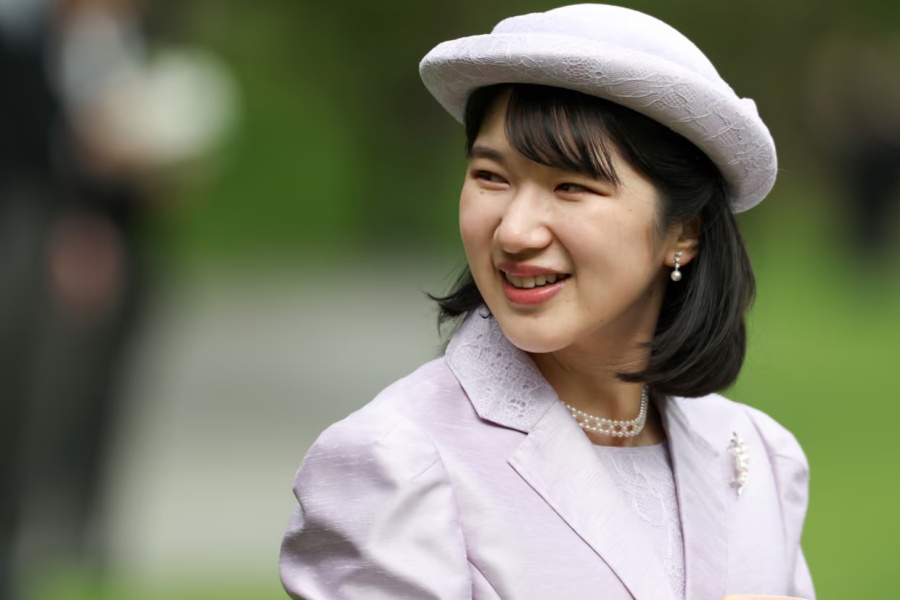
Calls are growing for Princess Aiko, the 24-year-old daughter of Emperor Naruhito, to be allowed to ascend the Japanese throne. Public support for a female emperor stands at over 80%, yet a revised Imperial Household Law passed in July 2026 still bars women from inheriting the throne. Japan's imperial family has shrunk to just 16 members, with only three in the line of succession.
翻译 Translation
最近,日本社会围绕皇位继承问题展开了一场激烈的辩论。二十四岁的爱子公主是德仁天皇的独生女,她举止优雅、学识扎实,深受日本国民的喜爱。越来越多的日本民众呼吁修改现行的皇室典范,允许爱子公主继承皇位,成为日本历史上又一位女性天皇。
Recently, Japanese society has engaged in a heated debate over the issue of imperial succession. The 24-year-old Princess Aiko is the only daughter of Emperor Naruhito. She is elegant in manner and solid in learning, and is deeply loved by the Japanese people. More and more Japanese citizens are calling for the revision of the current Imperial Household Law to allow Princess Aiko to inherit the throne and become another female emperor in Japanese history.
然而,日本现行的皇室典范规定,只有父亲一方属于天皇血统的男性才能继承皇位。这意味着,尽管爱子公主是现任天皇的亲生女儿,她却完全不具备继承资格。目前,日本皇室共有十六名成员,其中男性仅有五人。皇位继承序列上只有三人:秋篠宫皇嗣、他的儿子悠仁亲王,以及九十岁的常陆宫亲王。
However, Japan's current Imperial Household Law stipulates that only males whose paternal lineage belongs to the imperial bloodline can inherit the throne. This means that although Princess Aiko is the biological daughter of the current emperor, she is completely ineligible to inherit. Currently, the Japanese imperial family has 16 members, of whom only five are male. There are only three people in the line of succession: Crown Prince Akishino, his son Prince Hisahito, and the 90-year-old Prince Hitachi.
皇位
throne; imperial throne
noun
古代王子们常常为了争夺皇位而争斗。
In ancient times, princes often fought over the throne.
继承
to inherit; inheritance
verb/noun
他继承了父亲的公司。
He inherited his father's company.
呼吁
to call for; appeal
verb/noun
医生呼吁大家多运动。
Doctors call for everyone to exercise more.
修改
to revise; to amend
verb
我们需要修改这份计划。
We need to revise this plan.
皇室
imperial family
noun
英国皇室受到全世界的关注。
The British royal family attracts worldwide attention.
典范
model; law; code
noun
他是我学习的典范。
He is a model for me to learn from.
独生女
only daughter
noun
她是家里的独生女。
She is the only daughter in the family.
优雅
elegant; graceful
adjective
她的举止非常优雅。
Her manners are very elegant.
举止
manner; bearing
noun
他的举止很有礼貌。
His manners are very polite.
民众
the public; citizens
noun
政府听取了民众的意见。
The government listened to the public's opinions.
不具备
to lack; to not possess
verb phrase
他不具备担任这个职位的能力。
He lacks the ability to hold this position.
资格
qualification; eligibility
noun
只有通过考试才有资格申请。
Only by passing the exam are you eligible to apply.
序列
sequence; order
noun
请按正确的序列排列这些数字。
Please arrange these numbers in the correct sequence.
皇嗣
crown prince; heir to the throne
noun
皇嗣是皇位的法定继承人。
The crown prince is the legal heir to the throne.
亲王
prince
noun
亲王出席了这场重要的典礼。
The prince attended this important ceremony.
分歧
disagreement; division
noun
双方在这个问题上存在分歧。
The two sides have disagreements on this issue.
民意
public opinion
noun
民意调查显示大多数人支持这项改革。
Public opinion polls show that most people support this reform.
受访者
respondent; interviewee
noun
大多数受访者表示支持这个计划。
Most respondents expressed support for this plan.
保守派
conservatives
noun
保守派反对这项激进的改革。
Conservatives oppose this radical reform.
原则
principle
noun
诚实是我做人的基本原则。
Honesty is my basic principle for conducting myself.
旁系
collateral line
adjective/noun
旁系亲属也可以继承财产。
Collateral relatives can also inherit property.
后裔
descendant
noun
他是这个古老家族的后裔。
He is a descendant of this ancient family.
收养
to adopt; adoption
verb/noun
他们收养了一个孤儿。
They adopted an orphan.
排除
to eliminate; to exclude
verb
医生排除了这种可能性。
The doctor ruled out this possibility.
反映
to reflect
verb
这部电影反映了社会现实。
This film reflects social reality.
消除
to eliminate; to remove
verb
我们需要消除彼此之间的误会。
We need to eliminate misunderstandings between us.
歧视
to discriminate; discrimination
verb/noun
任何形式的歧视都是不可接受的。
Any form of discrimination is unacceptable.
公约
convention; treaty
noun
各国签署了这项国际公约。
Various countries signed this international convention.
范围
scope; range
noun
这个问题的讨论范围很广。
The scope of discussion on this issue is very broad.
剔除
to remove; to exclude
verb
请把不合格的产品剔除出去。
Please remove the unqualified products.
抗议
to protest; protest
verb/noun
工人们在工厂门口抗议。
The workers protested at the factory gate.
动向
trend; development
noun
我们需要关注市场的最新动向。
We need to pay attention to the latest market trends.
意见书
opinion document; written opinion
noun
委员会提交了一份意见书。
The committee submitted an opinion document.
发起人
initiator; sponsor
noun
他是这次活动的发起人。
He is the initiator of this activity.
统合
unity; integration
verb/noun
天皇被视为国民统合的象征。
The emperor is regarded as a symbol of national unity.
象征
symbol; to symbolise
noun/verb
鸽子是和平的象征。
The dove is a symbol of peace.
矛盾
contradiction; contradictory
noun/adjective
他的行为和他说的话相互矛盾。
His actions contradict what he says.
折射
to reflect; to refract
verb
这件事折射出社会的变化。
This matter reflects changes in society.
薄弱
weak; fragile
adjective
这个领域的研究基础还比较薄弱。
The research foundation in this field is still relatively weak.
走向
direction; trend
noun/verb
这件事的走向还不确定。
The direction of this matter is still uncertain.
围绕…… (wéirào...)
"围绕" means "around" or "centering on." It is used to indicate that something revolves around a particular topic, issue, or person. The structure is "围绕 + topic + action." It is very common in news reports, formal writing, and discussions when introducing the main subject of a debate or activity.
大家围绕这个问题展开了热烈的讨论。
Everyone had a heated discussion around this issue.
学生们围绕老师的提问积极发言。
The students actively spoke around the teacher's questions.
这部电影围绕一个家庭的日常生活展开。
This film unfolds around the daily life of a family.
进一步…… (jìnyíbù...)
"进一步" means "further" or "to a further extent." It is used before a verb or adjective to indicate that something is taken to a deeper level or that a situation has intensified. It is very common in formal writing, news reports, and analytical texts.
经过这次讨论,我们对问题有了进一步的认识。
After this discussion, we gained a further understanding of the issue.
公司计划进一步扩大海外市场。
The company plans to further expand its overseas market.
我们需要进一步研究这个现象的成因。
We need to further study the causes of this phenomenon.
既……也…… (jì... yě...)
"既……也……" means "both... and..." or "not only... but also..." It is used to connect two qualities, actions, or situations that exist at the same time. It is very common in both spoken and written Chinese and is essential for expressing parallel ideas.
学习中文既需要记忆,也需要练习。
Learning Chinese requires both memorisation and practice.
这个地方既安静也美丽,非常适合居住。
This place is both quiet and beautiful, very suitable for living.
他既会弹钢琴,也会拉小提琴。
He can both play the piano and play the violin.
Tag:Global Affairs

You may also like


Subscribe
Login
0 Comments
Oldest