
Indonesian Government Sued Over “Gross Negligence” in Tackling Wildfires
印尼政府因林火应对不力遭起诉,被指“严重失职”
Yìnní zhèngfǔ yīn línhuǒ yìngduì búlì zāo qǐsù, bèi zhǐ “yánzhòng shīzhí”
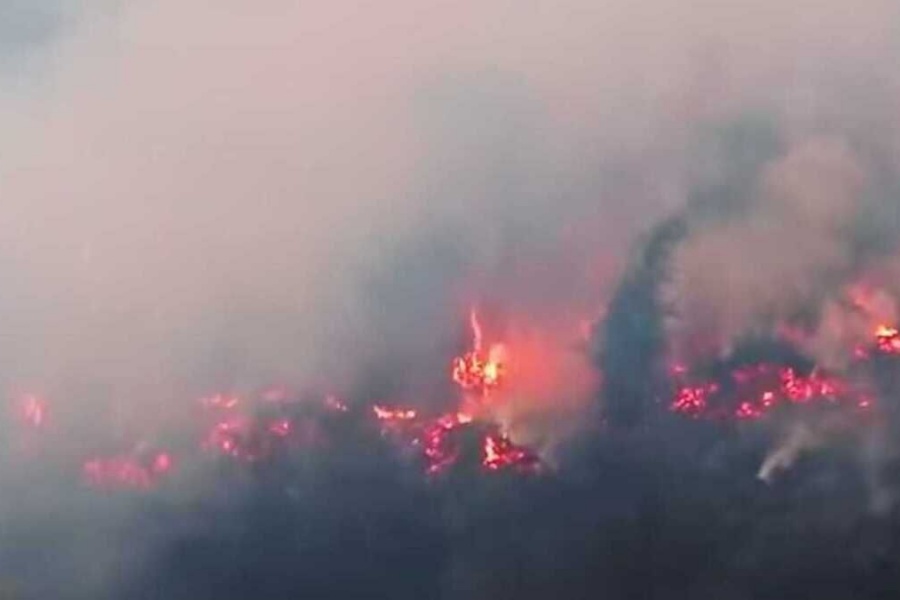
A group of residents and civil society organisations in Indonesia's West Kalimantan province have filed a class action lawsuit against the government, accusing it of "gross negligence" in handling wildfires that have burned for over three months. President Prabowo Subianto and nine other officials are named as defendants. The fires have caused toxic haze, closed schools, and triggered more than 175,000 respiratory infections.
翻译 Translation
2026年10月7日,印度尼西亚一家法院开庭审理了一起集体诉讼案件。原告是西加里曼丹省的一些居民和民间组织。他们起诉印尼政府,指责政府在处理森林火灾问题上“严重失职”。这起案件引起了广泛的关注。
On October 7, 2026, a court in Indonesia opened a hearing for a class action lawsuit. The plaintiffs are some residents and civil society organisations from West Kalimantan province. They are suing the Indonesian government, accusing it of "gross negligence" in handling forest fires. This case has attracted widespread attention.
这起诉讼的原告共有四方,包括印尼原住民联盟(AMAN)的一个地方分会,以及一个天主教青年组织。被告共有十人,其中包括印尼总统普拉博沃·苏比延托、西加里曼丹省省长,以及多名政府部长和国家警察总长。原告在起诉书中说,政府没有采取有效措施来应对这场反复发生的灾难。
There are four groups of plaintiffs in this lawsuit, including a local chapter of the Indigenous Peoples Alliance of the Archipelago (AMAN) and a Catholic youth organisation. There are ten defendants, including Indonesian President Prabowo Subianto, the Governor of West Kalimantan, several government ministers, and the national police chief. The plaintiffs stated in the lawsuit that the government has not taken effective measures to deal with this recurring disaster.
集体诉讼
class action lawsuit
noun
消费者对这家公司提起了集体诉讼。
Consumers filed a class action lawsuit against this company.
原告
plaintiff
noun
原告在法庭上陈述了自己的理由。
The plaintiff stated his reasons in court.
被告
defendant
noun
被告没有出席第一次庭审。
The defendant did not attend the first hearing.
失职
dereliction of duty; negligence
verb/noun
他被指控在工作中严重失职。
He was accused of gross negligence in his work.
起诉
to sue; to prosecute
verb
公司起诉了那名泄露商业机密的员工。
The company sued the employee who leaked trade secrets.
指责
to accuse; accusation
verb/noun
他指责对方没有遵守承诺。
He accused the other party of not keeping their promise.
部长
minister
noun
教育部长访问了这所大学。
The education minister visited this university.
总长
chief; director-general
noun
国家警察总长发布了新的安全规定。
The national police chief issued new safety regulations.
起诉书
indictment; statement of claim
noun
律师正在准备起诉书。
The lawyer is preparing the statement of claim.
反复
repeatedly; to recur
adverb/verb
这个问题反复出现,一直没有解决。
This problem keeps recurring and has never been solved.
灾难
disaster
noun
地震给这个地区带来了巨大的灾难。
The earthquake brought huge disaster to this region.
烧毁
to burn down; to destroy by fire
verb
大火烧毁了数百公顷的森林。
The fire burned down hundreds of hectares of forest.
烟霾
haze; smog
noun
烟霾让城市的空气变得很差。
The haze made the city's air quality very bad.
被迫
to be forced to
adverb
由于大雨,比赛被迫取消。
Due to heavy rain, the match was forced to be cancelled.
呼吸系统
respiratory system
noun
吸烟会损害呼吸系统。
Smoking damages the respiratory system.
感染
to infect; infection
verb/noun
他的伤口感染了,需要去医院。
His wound got infected and he needs to go to the hospital.
呼吸道
respiratory tract
noun
空气污染容易引起呼吸道疾病。
Air pollution easily causes respiratory diseases.
厄尔尼诺
El Niño
noun
厄尔尼诺现象会导致全球气候异常。
The El Niño phenomenon can cause abnormal global climate.
干旱
drought
noun/adjective
长期干旱导致农作物歉收。
The prolonged drought led to crop failure.
重建
to rebuild; reconstruction
verb/noun
灾后重建工作需要很长时间。
Post-disaster reconstruction work takes a long time.
医疗费用
medical expenses
noun phrase
政府承担了受灾群众的医疗费用。
The government covered the medical expenses of the disaster-affected people.
缺席
to be absent; absence
verb/noun
他因为生病缺席了会议。
He was absent from the meeting because he was sick.
遗憾
regretful; regret
adjective/noun
没能参加你的婚礼,我很遗憾。
I regret not being able to attend your wedding.
降落
to land
verb
飞机因为天气原因无法降落。
The plane could not land due to weather conditions.
尊重
to respect; respect
verb/noun
我们应该尊重每个人的选择。
We should respect everyone's choices.
程序
procedure
noun
申请签证需要按照规定的程序办理。
Applying for a visa requires following the prescribed procedures.
驳回
to dismiss; to reject
verb
法院驳回了原告的诉讼请求。
The court dismissed the plaintiff's claim.
民间组织
civil society organisation
noun phrase
这个民间组织致力于保护环境。
This civil society organisation is dedicated to protecting the environment.
原住民
indigenous people
noun
原住民有着自己独特的文化和传统。
Indigenous peoples have their own unique culture and traditions.
分会
branch; chapter
noun
这个协会在全国有三十个分会。
This association has thirty branches nationwide.
青年
youth; young people
noun
青年是国家的未来。
Young people are the future of the country.
警察
police
noun
警察正在调查这起案件。
The police are investigating this case.
法院
court
noun
这个案件将由地方法院法院审理。
This case will be heard by the local court.
开庭
to open a court session
verb
案件将于下周一开庭审理。
The case will open for trial next Monday.
审理
to hear (a case); to try
verb
法院正在审理这起纠纷。
The court is hearing this dispute.
措施
measure
noun
政府采取了一系列措施来改善空气质量。
The government took a series of measures to improve air quality.
宣布
to announce
verb
政府宣布了新的环保政策。
The government announced a new environmental protection policy.
承担
to bear; to undertake
verb
公司愿意承担全部责任。
The company is willing to bear full responsibility.
关注
to pay attention to; attention
verb/noun
这起事件引起了社会各界的广泛关注。
This incident attracted widespread attention from all sectors of society.
权利
right
noun
每个人都有受教育的权利。
Everyone has the right to education.
恢复
to recover; recovery
verb/noun
灾区的重建和恢复工作正在进行中。
Reconstruction and recovery work in the disaster area is underway.
以便 (yǐbiàn)
"以便" means "so that" or "in order to." It is used to introduce a purpose or goal, especially in formal writing. The structure is "Action + 以便 + purpose." It is similar to "为了" but is more formal and often appears at the beginning of a clause.
他们要求政府宣布国家灾难,以便采取全面的恢复措施。
They demanded that the government declare a national disaster so that comprehensive recovery measures could be taken.
请提前预订,以便我们安排座位。
Please book in advance so that we can arrange seating.
他每天练习中文,以便通过 HSK 考试。
He practises Chinese every day so that he can pass the HSK exam.
值得注意的是 (zhídé zhùyì de shì)
"值得注意的是" means "it is worth noting that" or "notably." It is used to draw the reader's attention to an important or surprising point. It usually comes at the beginning of a sentence. It is very common in news reports, analysis, and formal writing.
值得注意的是,这次没有一个被告出席庭审。
It is worth noting that none of the defendants attended the hearing this time.
值得注意的是,这个数字比去年增长了一倍。
It is worth noting that this figure has doubled compared to last year.
值得注意的是,他的观点与大多数人不同。
It is worth noting that his views are different from most people's.
Tag:Global Affairs

You may also like

Tesla’s Third-Quarter Profit Falls 29%
October 29, 2026

China’s Baidu Tests Robotaxi on London Streets
October 28, 2026

Subscribe
Login
0 Comments
Oldest