
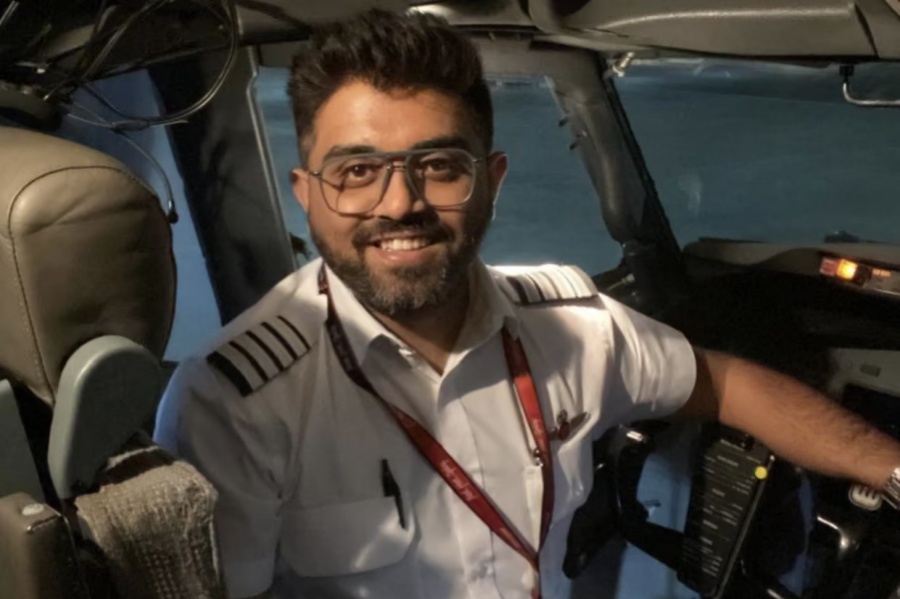
Hero Pilot Saves the Whole Plane
英雄机长救了整架飞机
Yīngxióng jīzhǎng jiù le zhěng jià fēijī
A bad man hurt the pilot on a plane from Dubai to Israel. The pilot was very brave. He opened the door, and some passengers came in to help. They stopped the bad man. Two other pilots landed the plane safely in Saudi Arabia. Everyone is safe now. People call the pilot a hero.
翻译 Translation
9月30日,一架飞机从迪拜飞往以色列。飞机上有一个坏人。他伤害了机长。机长受伤了,但是他很勇敢。他打开了驾驶舱的门。
On September 30, a plane flew from Dubai to Israel. There was a bad person on the plane. He hurt the pilot. The pilot was injured, but he was very brave. He opened the door of the cockpit.
门开了以后,几个乘客跑进驾驶舱。一个乘客是水管工,一个乘客是牙医。他们一起帮助机长。他们抓住了那个坏人。飞机上还有两个飞行员,他们不是来工作的。他们来帮助开飞机。
After the door opened, several passengers ran into the cockpit. One passenger was a plumber, and one passenger was a dentist. They helped the pilot together. They caught the bad person. There were also two other pilots on the plane; they were not there to work. They came to help fly the plane.
飞机
airplane
noun
我坐飞机去北京。
I take a plane to Beijing.
坏人
bad person
noun
警察抓住了那个坏人。
The police caught that bad person.
机长
captain (of a plane)
noun
机长正在和乘客说话。
The captain is talking to the passengers.
伤害
to hurt; to harm
verb
不要伤害小动物。
Do not hurt small animals.
受伤
to be injured
verb
他的手受伤了。
His hand is injured.
勇敢
brave
adjective
这个孩子很勇敢。
This child is very brave.
驾驶舱
cockpit
noun
飞行员在驾驶舱里工作。
The pilot works in the cockpit.
门
door
noun
请关门。
Please close the door.
乘客
passenger
noun
飞机上有很多乘客。
There are many passengers on the plane.
水管工
plumber
noun
水管工来家里修水管。
The plumber came to the house to fix the pipe.
牙医
dentist
noun
我明天去看牙医。
I am going to see the dentist tomorrow.
帮助
to help
verb
同学之间要互相帮助。
Classmates should help each other.
抓住
to catch; to grab
verb
他抓住了我的手。
He grabbed my hand.
飞行员
pilot
noun
我的哥哥是一名飞行员。
My older brother is a pilot.
工作
to work; work; job
verb/noun
爸爸去工作了。
Dad went to work.
安全
safe; safety
adjective/noun
过马路要注意安全。
Pay attention to safety when crossing the road.
降落
to land
verb
飞机安全降落了。
The plane landed safely.
一共
in total; altogether
adverb
我们班一共有三十个学生。
Our class has thirty students in total.
所有
all
adjective
所有的学生都来了。
All the students came.
医院
hospital
noun
他生病了,去了医院。
He got sick and went to the hospital.
医生
doctor
noun
医生说我需要多休息。
The doctor said I need more rest.
身体
body; health
noun
多运动对身体好。
Exercising more is good for your health.
英雄
hero
noun
消防员是英雄。
Firefighters are heroes.
总理
prime minister
noun
总理来到了我们学校。
The Prime Minister came to our school.
感谢
to thank
verb
我要感谢我的老师。
I want to thank my teacher.
来自
to come from
verb
他来自中国。
He comes from China.
以色列
Israel
noun
以色列是一个国家。
Israel is a country.
迪拜
Dubai
noun
迪拜有很多高楼。
Dubai has many tall buildings.
印度
India
noun
印度的天气很热。
The weather in India is very hot.
沙特阿拉伯
Saudi Arabia
noun
沙特阿拉伯有很多石油。
Saudi Arabia has a lot of oil.
飞
to fly
verb
鸟在天上飞。
Birds fly in the sky.
跑
to run
verb
他跑得很快。
He runs very fast.
进
to enter
verb
请进。
Please come in.
开
to open; to drive
verb
请开门。
Please open the door.
去
to go
verb
我去学校。
I go to school.
来
to come
verb
请你来我家。
Please come to my home.
说
to say; to speak
verb
他说中文说得很好。
He speaks Chinese very well.
好
good; fine
adjective
今天天气很好。
Today's weather is very good.
都
all; both
adverb
我们都是学生。
We are all students.
很
very
adverb
这个苹果很好吃。
This apple is very delicious.
被 (bèi)
"被" is used to make a passive sentence. It shows that the subject receives an action. The structure is "A 被 (B) + verb." It is like "be + past participle" in English. In simple sentences, we often use "被" to say that someone or something was hurt, caught, or affected.
机长被坏人伤害了。
The pilot was hurt by the bad person.
我的手机被弟弟摔坏了。
My phone was broken by my younger brother.
那棵树被风吹倒了。
That tree was blown down by the wind.
一起 (yìqǐ)
"一起" means "together." It is used when two or more people do something at the same time. It usually comes before the verb. The structure is "Subject + 一起 + Verb."
他们一起帮助机长。
They helped the pilot together.
我们一起去公园。
Let's go to the park together.
我和朋友一起看电影。
I watch movies with my friend.
最后 (zuìhòu)
"最后" means "finally" or "in the end." It is used when we talk about the last thing in a series of events. It usually comes at the beginning of a sentence or before the verb. The structure is "最后 + result."
最后,飞机安全降落了。
In the end, the plane landed safely.
我们等了很久,最后车来了。
We waited for a long time, and finally the bus came.
他试了很多次,最后成功了。
He tried many times and finally succeeded.
Tag:Global Affairs

You may also like


A 7.0-Magnitude Earthquake Hits Tibet
October 26, 2026

Subscribe
Login
0 Comments
Oldest