The Rise of China-Chic Cultural Blind Boxes
国潮文创盲盒热销现象
Guócháo wénchuàng máng hé rèxiāo xiànxiàng
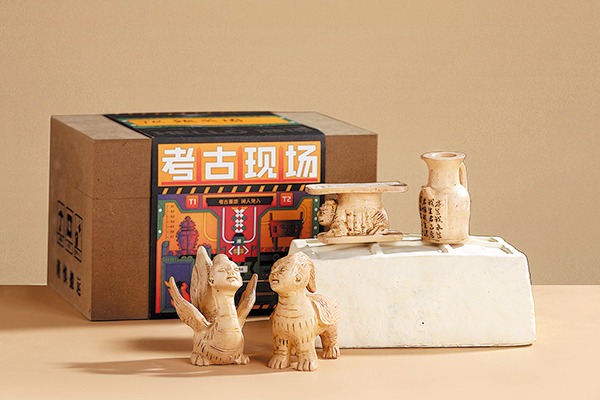
Museum blind boxes are becoming very popular in China. Young people buy them because they are fun and full of surprises. Inside each box, there is a small toy based on a Chinese cultural relic. Some boxes even let you “dig” for a mini artifact. Young people love these boxes because they feel happy and can share the fun with friends.
翻译 Translation
现在,很多中国年轻人喜欢买盲盒。盲盒是一个小盒子。你看不到里面有什么。打开盒子,里面有一个小玩具。这些小玩具和博物馆的文物有关系。比如,三星堆博物馆有一个“考古盲盒”,里面有小青铜器。
Now, many young people in China like buying blind boxes. A blind box is a small box. You cannot see what is inside. Open the box, and there is a small toy inside. These small toys are related to museum relics. For example, the Sanxingdui Museum has an “archaeology blind box,” and inside there are small bronze items.
现在
now
noun/adverb
现在我很忙,等一下再聊。
I am very busy now; let’s talk later.
很多
many; a lot of
phrase
公园里有很多花。
There are many flowers in the park.
中国
China
noun
中国是一个很大的国家。
China is a very big country.
年轻人
young people
noun
很多年轻人喜欢运动。
Many young people like sports.
喜欢
to like
verb
我喜欢听音乐。
I like listening to music.
买
to buy
verb
妈妈去超市买水果了。
Mom went to the supermarket to buy fruit.
盲盒
blind box
noun
我买了一个盲盒,里面是一个小熊猫。
I bought a blind box, and inside was a little panda.
盒子
box
noun
这个盒子里有巧克力。
There is chocolate in this box.
看
to look; to see
verb
你看,那边有一只鸟。
Look, there is a bird over there.
不到
cannot reach; cannot see
verb phrase
我不到八点就起床了。
I got up before eight o’clock.
里面
inside
noun
书包里面有一本书。
There is a book inside the backpack.
什么
what
pronoun
你喜欢什么颜色?
What color do you like?
打开
to open
verb
请打开窗户。
Please open the window.
玩具
toy
noun
弟弟有很多玩具。
My younger brother has many toys.
博物馆
museum
noun
周末我们去了博物馆。
We went to the museum on the weekend.
文物
cultural relic; artifact
noun
博物馆里有很多古代文物。
There are many ancient relics in the museum.
有关系
to be related to
verb phrase
这个问题和天气有关系。
This problem is related to the weather.
比如
for example
conjunction
我喜欢吃水果,比如苹果和香蕉。
I like eating fruit, for example apples and bananas.
考古
archaeology; to do archaeology
noun/verb
考古学家发现了新的文物。
Archaeologists discovered new relics.
有趣
interesting; fun
adjective
这本书很有趣。
This book is very interesting.
惊喜
surprise; pleasantly surprised
noun/adjective
生日那天,我收到了一个惊喜。
On my birthday, I received a surprise.
知道
to know
verb
我不知道他的名字。
I do not know his name.
时候
time; moment
noun
你什么时候来?
When are you coming?
开心
happy
adjective
今天我很开心。
I am very happy today.
说
to say; to speak
verb
他说中文说得很好。
He speaks Chinese very well.
为了
for; in order to
preposition
为了学好中文,他每天练习。
In order to learn Chinese well, he practices every day.
朋友
friend
noun
他是我的好朋友。
He is my good friend.
一起
together
adverb
我们一起去吃饭吧。
Let’s go eat together.
玩
to play
verb
孩子们在公园玩。
The children are playing in the park.
以后
after; later
noun
下课以后,我们去打球。
After class, we go to play ball.
拍照
to take a photo
verb
我们在公园拍了很多照片。
We took many photos in the park.
网上
online; on the internet
noun
我在网上买了很多东西。
I bought many things online.
分享
to share
verb
我和朋友分享了蛋糕。
I shared the cake with my friend.
做
to do; to make
verb
妈妈在做饭。
Mom is cooking.
受欢迎
popular
adjective
这首歌很受欢迎。
This song is very popular.
了解
to understand; to learn about
verb
我想了解中国文化。
I want to learn about Chinese culture.
文化
culture
noun
中国的文化很有意思。
Chinese culture is very interesting.
卡片
card
noun
我收到了一张生日卡片。
I received a birthday card.
故事
story
noun
妈妈给我讲了一个故事。
Mom told me a story.
好玩
fun; interesting
adjective
这个游戏很好玩。
This game is very fun.
知识
knowledge
noun
读书可以学到很多知识。
Reading can help you learn a lot of knowledge.
便宜
cheap; inexpensive
adjective
这个书包很便宜。
This backpack is very cheap.
市场
market
noun
这个市场很大。
This market is very big.
越来越
more and more
phrase
天气越来越热了。
The weather is getting hotter and hotter.
开始
to start; to begin
verb
电影三点开始。
The movie starts at three o’clock.
国潮
China-Chic; Chinese trend
noun/adjective
国潮衣服很受年轻人欢迎。
China-Chic clothing is very popular among young people.
可以
can; may
verb
你可以帮我一下吗?
Can you help me for a moment?
试试
to try; to have a try
verb
你可以试试这件衣服。
You can try this piece of clothing.
虽然
although
conjunction
虽然天气很冷,但是我还是要出去。
Although the weather is cold, I still want to go out.
有 (yǒu)
“有” means “to have” or “there is/are.” It is used to show possession or existence.
The structure is “Subject + 有 + Object” or “Place + 有 + Thing.”
It is one of the most basic and important verbs in Chinese.
我有一个新书包。
I have a new backpack.
桌子上有一本书。
There is a book on the table.
公园里有很多人。
There are many people in the park.
也 (yě)
“也” means “also” or “too.” It is used when we want to say that something is the same as something else.
It usually comes before the verb or adjective.
The structure is “Subject + 也 + Verb/Adjective.”
我喜欢喝茶,他也喜欢喝茶。
I like drinking tea, and he also likes drinking tea.
今天很冷,明天也很冷。
Today is very cold, and tomorrow is also very cold.
她会说中文,也会说英文。
She can speak Chinese and also English.
都 (dōu)
“都” means “all” or “both.” It is used when we talk about a group of people or things.
It comes before the verb or adjective.
The structure is “Subject (plural) + 都 + Verb/Adjective.”
我们都是学生。
We are all students.
这些苹果都很大。
These apples are all very big.
他们都喜欢看电影。
They all like watching movies.
因为……所以…… (yīnwèi... suǒyǐ...)
“因为……所以……” means “because... so...”. It is used to show cause and effect.
The part after “因为” is the reason, and the part after “所以” is the result.
In English, we usually use only “because” or only “so,” but in Chinese, we often use both together.
因为今天下雨,所以我没有去公园。
Because it rained today, I did not go to the park.
因为他很努力,所以考试考得很好。
Because he worked very hard, he did very well on the exam.
因为盲盒很有趣,所以很多年轻人喜欢买。
Because blind boxes are very fun, many young people like buying them.

You may also like
Specialty Mooncakes Hit the Market as Mid-Autumn Festival Approaches
September 23, 2026

Top Mid-Autumn Moon Watching Spots
September 21, 2026
24-Hour Automated Public Libraries in Chinese Cities
September 16, 2026
Subscribe
Login
0 Comments
Oldest