- 4 Sections
- 16 Lessons
- Lifetime
Expand all sectionsCollapse all sections
- PART 1: 美猴王出世 The Birth of the Monkey King3
- PART 2: 大闹天宫 The Monkey King Defies Heaven5
- PART 3: 取经缘起 The Journey Begins3
- PART 4: 师徒聚齐 The Pilgrims Gather6
Lesson 11:五行山收徒 The First Disciple
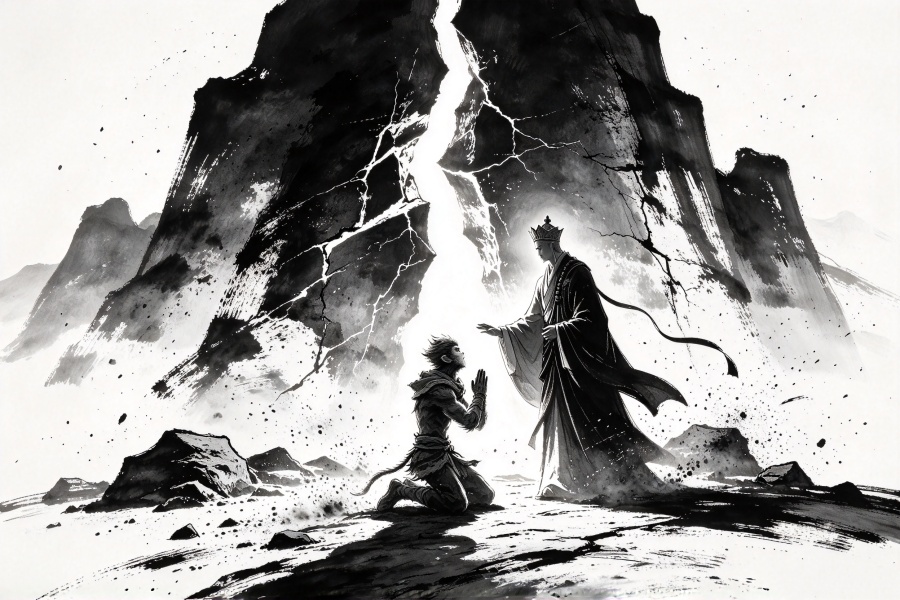
Tang Sanzang has walked alone for days, his heart heavy with the weight of his mission. At the foot of the Five Elements Mountain, a voice calls out to him — a voice that has waited five hundred years. Sun Wukong, the Monkey King, begs to be freed. Tang Sanzang hesitates. How can he trust a creature imprisoned for so long? But Guanyin has already chosen his path. When he climbs the mountain and removes the golden seal, the earth shakes — and a legend breaks free.
Tángsēng gàobié le lièhù Liú Bóqīn, dúzì yì rén jìxù xiàng xī zǒu qù. Tā zǒu le jǐ tiān, lái dào le yí zuò dàshān de shānjiǎo xià. Zhè zuò shān fēicháng gāodà, shāndǐng zhí chā rù yún, shānlù fēicháng xiǎnjùn.
唐僧告别了猎户刘伯钦,独自一人继续向西走去。他走了几天,来到了一座大山的山脚下。这座山非常高大,山顶直插入云,山路非常险峻。
Tang Sanzang bid farewell to the hunter Liu Boqin and continued walking westward alone. After several days of travel, he arrived at the foot of a great mountain. This mountain was extremely tall, its peak piercing straight into the clouds. The mountain path was very steep and perilous.
Tángsēng zhèngzài gǎntàn zhè zuò shān de xiǎnjùn, hūrán tīng dào yí zhèn jīngtiān-dòngdì de hǎnshēng: "Shīfu! Shīfu! Kuài lái jiù wǒ!"
唐僧正在感叹这座山的险峻,忽然听到一阵惊天动地的喊声:"师父!师父!快来救我!"
As Tang Sanzang was marveling at the mountain's steepness, he suddenly heard a thunderous shout: "Master! Master! Come quickly and save me!"
Tángsēng xià le yí tiào, sìchù zhāngwàng, què kàn bu dào yí ge rényǐng. Tā yǐwéi shì zìjǐ tīng cuò le, zhèngyào jìxù gǎnlù, nà shēngyīn yòu xiǎng le qǐlái: "Shīfu, wǒ zài zhèli! Wǒ zài shāndǐ xià!"
唐僧吓了一跳,四处张望,却看不到一个人影。他以为是自己听错了,正要继续赶路,那声音又响了起来:"师父,我在这里!我在山底下!"
Tang Sanzang was startled and looked around, but saw no one. He thought he had misheard and was about to continue on his way, when the voice called out again: "Master, I'm here! I'm under the mountain!"
Tángsēng shùnzhe shēngyīn zhǎo qù, fāxiàn shānjiǎo xià yā zhe yì zhī hóuzi. Zhè zhī hóuzi shēnshàng zhǎng mǎn le qīngtái, zhǐ yǒu tóu hé liǎng zhī shǒu lù zài wàimiàn. Tā zhèng shì wǔ bǎi nián qián dànào tiāngōng de Qítiān Dàshèng Sūn Wùkōng!
唐僧顺着声音找去,发现山脚下压着一只猴子。这只猴子身上长满了青苔,只有头和两只手露在外面。他正是五百年前大闹天宫的齐天大圣孙悟空!
Following the sound, Tang Sanzang discovered a monkey trapped under the mountain. The monkey was covered in moss, with only his head and two hands exposed. This was none other than the Great Sage, Equal of Heaven, Sun Wukong — the one who had caused chaos in heaven five hundred years earlier!
Sūn Wùkōng kàn dào Tángsēng, gāoxìng de shǒuwǔ-zúdǎo, dàshēng shuō: "Shīfu! Nǐ shì cóng Dōngtǔ Dàtáng lái de qǔjīngrén ba? Guānyīn Púsà ràng wǒ zài zhèli děng nǐ, zuò nǐ de túdì, bǎohù nǐ qù Xītiān qǔjīng!"
孙悟空看到唐僧,高兴得手舞足蹈,大声说:"师父!你是从东土大唐来的取经人吧?观音菩萨让我在这里等你,做你的徒弟,保护你去西天取经!"
Seeing Tang Sanzang, Sun Wukong was so overjoyed that he waved his hands and stamped his feet, shouting loudly, "Master! You are the scripture-fetcher from the Great Tang in the East, aren't you? Guanyin Bodhisattva told me to wait for you here, to become your disciple, and to protect you on your journey to the West!"
Tángsēng tīng le, xīnzhōng yòu jīng yòu yí. Tā cónglái méiyǒu jiàn guò huì shuōhuà de hóuzi, gèng bù gǎn xiāngxìn zhè ge kàn qǐlái xiàng yāoguài de hóuzi huì shì Guānyīn Púsà ānpái de túdì. Tā xīnzhōng chōngmǎn le yílǜ.
唐僧听了,心中又惊又疑。他从来没有见过会说话的猴子,更不敢相信这个看起来像妖怪的猴子会是观音菩萨安排的徒弟。他心中充满了疑虑。
Tang Sanzang was both startled and doubtful. He had never seen a talking monkey before, and he could hardly believe that this monkey — who looked more like a monster — could be the disciple Guanyin Bodhisattva had arranged for him. His heart was filled with doubt.
Sūn Wùkōng kàn chū le Tángsēng de yílǜ, liánmáng shuō: "Shīfu, nǐ búyào hàipà! Wǒ shì zhēnxīn yào bǎohù nǐ qù Xītiān qǔjīng de. Rúguǒ nǐ bú xìn, nǐ kěyǐ wènwen Guānyīn Púsà!"
孙悟空看出了唐僧的疑虑,连忙说:"师父,你不要害怕!我是真心要保护你去西天取经的。如果你不信,你可以问问观音菩萨!"
Sun Wukong noticed Tang Sanzang's doubts and quickly said, "Master, do not be afraid! I truly want to protect you on your journey to the West to fetch the scriptures. If you don't believe me, you can ask Guanyin Bodhisattva!"
Zhèng shuō zhe, tiānkōng zhōng piāo xià yì duǒ xiángyún, Guānyīn Púsà de shēngyīn cóng yún zhōng chuán lái: "Xuánzàng, zhè hóuzi quèshí shì nǐ de túdì. Tā wǔ bǎi nián qián dànào tiāngōng, bèi wǒ yā zài zhè shān xià. Xiànzài tā chéngxīn huǐgǎi, yuànyì guīyī Fómén, nǐ shōu xià tā ba."
正说着,天空中飘下一朵祥云,观音菩萨的声音从云中传来:"玄奘,这猴子确实是你的徒弟。他五百年前大闹天宫,被我压在这山下。现在他诚心悔改,愿意皈依佛门,你收下他吧。"
As they were speaking, an auspicious cloud descended from the sky, and Guanyin Bodhisattva's voice came from the cloud: "Xuanzang, this monkey is indeed your disciple. Five hundred years ago, he caused chaos in heaven and was trapped under this mountain by me. Now he sincerely repents and is willing to convert to Buddhism. You should accept him."
Tángsēng tīng dào Guānyīn Púsà de huà, cái fàng xià xīn lái. Tā gōnggōngjìngjìng de cháo yún zhōng bài le bài, ránhòu wèn Sūn Wùkōng: "Wǒ zěnme cáinéng jiù nǐ chūlái ne?"
唐僧听到观音菩萨的话,才放下心来。他恭恭敬敬地朝云中拜了拜,然后问孙悟空:"我怎么才能救你出来呢?"
Only after hearing Guanyin Bodhisattva's words did Tang Sanzang feel at ease. He bowed respectfully toward the cloud, and then asked Sun Wukong, "How can I set you free?"
Sūn Wùkōng shuō: "Shīfu, zhǐyào nǐ pá dào shāndǐng, bǎ nà zhāng jīnzì yātiē jiē xiàlái, wǒ jiù néng chūlái le! Nà zhāng tiězi shàng xiě zhe 'ōng, má, ní, bā, mī, hōng' liù ge zì."
孙悟空说:"师父,只要你爬到山顶,把那张金字压帖揭下来,我就能出来了!那张帖子上写着'唵、嘛、呢、叭、咪、吽'六个字。"
Sun Wukong said, "Master, if you climb to the top of the mountain and remove that golden seal, I can come out! The seal has the six characters 'Om Mani Padme Hum' written on it."
Tángsēng yánzhe dǒuqiào de shānlù, jiānnán de pá shàng le shāndǐng. Tā guǒrán kàn dào yì zhāng jīnsè de tiězi, zài yángguāng xià shǎnshǎn fāguāng. Tā chéngxīn-chéngyì de bài le bài, shēnshǒu bǎ tiězi jiē le xiàlái.
唐僧沿着陡峭的山路,艰难地爬上了山顶。他果然看到一张金色的帖子,在阳光下闪闪发光。他诚心诚意地拜了拜,伸手把帖子揭了下来。
Tang Sanzang climbed up the steep mountain path and reached the summit with great difficulty. He indeed saw a golden seal glittering in the sunlight. He bowed sincerely and reverently, then reached out and removed the seal.
Tiězi yí bèi jiē xià, zhǐ tīng jiàn "hōnglōng" yì shēng jùxiǎng, shānbēng-dìliè, suìshí luàn fēi! Sūn Wùkōng zài shān xià dàhǎn dào: "Shīfu, nǐ zǒu yuǎn yìdiǎn! Wǒ yào chūlái le!"
帖子一被揭下,只听见"轰隆"一声巨响,山崩地裂,碎石乱飞!孙悟空在山下大喊道:"师父,你走远一点!我要出来了!"
As soon as the seal was removed, there was a thunderous roar — mountains collapsed, the earth split, and rocks flew everywhere! Sun Wukong shouted from under the mountain: "Master, step back! I'm coming out!"
Tángsēng liánmáng hòutuì le jǐ bù. Zhǐ jiàn nà Wǔxíng Shān jùliè yáohuàng, lièfèng yuè lái yuè dà. Tūrán, Sūn Wùkōng cóng shān zhōng yí yuè ér chū, tiào dào le Tángsēng miànqián, guì zài dìshàng, gōnggōngjìngjìng de kē le sān ge tóu, shuō: "Shīfu! Qǐng shòu tú'ér yí bài!" Tángsēng yòu jīng yòu xǐ, liánmáng bǎ Sūn Wùkōng fú le qǐlái. Tā kàn zhe zhè ge cóng shítou lǐ bèng chūlái de túdì, xīnzhōng gǎnkǎi wànqiān: zhè jiù shì Guānyīn Púsà wèi tā ānpái de dì yī ge túdì, tā jiāng shì zìjǐ Xītiān qǔjīng lù shàng zuì délì de bāngshǒu. Jiù zhèyàng, Tángsēng shōu xià le Sūn Wùkōng zhè ge túdì, gěi tā qǔ le yí ge xīn míngzi — Xíngzhě. Cóngcǐ, Sūn Wùkōng jiù chéng le Tángsēng de tiēshēn hùwèi, bǎohù zhe tā xiàng xī zǒu qù. Dànshì, hóuzi de běnxìng nán gǎi, tāmen de máfan cái gānggāng kāishǐ...
唐僧连忙后退了几步。只见那五行山剧烈摇晃,裂缝越来越大。突然,孙悟空从山中一跃而出,跳到唐僧面前,跪在地上,恭恭敬敬地磕了三个头,说:"师父!请受徒儿一拜!"唐僧又惊又喜,连忙把孙悟空扶了起来。他看着这个从石头里蹦出来的徒弟,心中感慨万千:这就是观音菩萨为他安排的第一个徒弟,他将是自己西天取经路上最得力的帮手。就这样,唐僧收下了孙悟空这个徒弟,给他取了一个新名字——行者。从此,孙悟空就成了唐僧的贴身护卫,保护着他向西走去。但是,猴子的本性难改,他们的麻烦才刚刚开始……
Tang Sanzang quickly stepped back several paces. The Five Elements Mountain shook violently, and the cracks grew wider and wider. Suddenly, Sun Wukong leaped out from the mountain, landed before Tang Sanzang, knelt on the ground, and respectfully kowtowed three times, saying, "Master! Please accept your disciple's bow!" Tang Sanzang was both surprised and overjoyed, and quickly helped Sun Wukong to his feet. Looking at this disciple who had sprung from a stone, he felt deeply moved: this was the first disciple Guanyin Bodhisattva had arranged for him — he would be the most capable helper on his journey to the West. And so, Tang Sanzang accepted Sun Wukong as his disciple, giving him a new name — Xíngzhě (the Pilgrim). From then on, Sun Wukong became Tang Sanzang's personal bodyguard, protecting him as they journeyed westward. But a monkey's nature is hard to change — their troubles were only just beginning...
险峻
xiǎn jùn
steep and perilous; precipitous (describing mountains or terrain)
Adjective
这座山的山路非常险峻,只有最勇敢的人敢爬。
Zhè zuò shān de shānlù fēicháng xiǎnjùn, zhǐ yǒu zuì yǒnggǎn de rén gǎn pá.
The mountain path is very steep — only the bravest dare to climb it.
惊天动地
jīng tiān dòng dì
earth-shattering; shaking heaven and earth; extremely loud or significant
Idiom
爆炸声惊天动地,整个城市都感受到了震动。
Bàozhà shēng jīngtiān-dòngdì, zhěng ge chéngshì dōu gǎnshòu dào le zhèndòng.
The explosion was earth-shattering — the whole city felt the tremors.
张望
zhāng wàng
to look around; to peer (often while searching for something or someone)
Verb
他在人群中四处张望,寻找丢失的孩子。
Tā zài rénqún zhōng sìchù zhāngwàng, xúnzhǎo diūshī de háizi.
He looked around in the crowd, searching for his lost child.
人影
rén yǐng
a person's silhouette; sign of a person
Noun
街上空荡荡的,一个人影也没有。
Jiē shàng kōngdàngdàng de, yí ge rényǐng yě méiyǒu.
The street was empty — there wasn't a single person in sight.
青苔
qīng tái
moss; green algae-like growth on rocks or damp surfaces
Noun
老墙上的青苔透露着岁月的痕迹。
Lǎo qiáng shàng de qīngtái tòulù zhe suìyuè de hénjì.
The moss on the old wall shows traces of time.
手舞足蹈
shǒu wǔ zú dǎo
to dance with joy; to wave one's arms and stamp one's feet (expressing excitement)
Idiom
听到获胜的消息,他高兴得手舞足蹈。
Tīng dào huòshèng de xiāoxi, tā gāoxìng de shǒuwǔ-zúdǎo.
Upon hearing the news of victory, he was so happy he danced with joy.
疑虑
yí lǜ
doubt; misgiving; suspicion
Noun
他的话让我心中的疑虑消失了大半。
Tā de huà ràng wǒ xīnzhōng de yílǜ xiāoshī le dàbàn.
His words removed most of my doubts.
悔改
huǐ gǎi
to repent; to reform; to show remorse for one's wrongdoing
Verb
他承认了自己的错误,决心悔改。
Tā chéngrèn le zìjǐ de cuòwù, juéxīn huǐgǎi.
He admitted his mistakes and resolved to reform.
皈依
guī yī
to convert to (a religion); to take refuge in (Buddhism)
Verb
他年老了之后皈依佛教,专心修行。
Tā niánlǎo le zhīhòu guīyī Fójiào, zhuānxīn xiūxíng.
In his old age, he converted to Buddhism and devoted himself to cultivation.
放下心
fàng xià xīn
to feel relieved; to stop worrying
Verb Phrase
看到孩子平安回来,她终于放下了心。
Kàn dào háizi píng'ān huílái, tā zhōngyú fàng xià le xīn.
Seeing her child return safely, she finally felt relieved.
拜
bài
to bow; to worship; to pay respect to
Verb
每逢春节,他都会去寺庙拜佛祈福。
Měi féng Chūnjié, tā dōu huì qù sìmiào bài Fó qífú.
Every Spring Festival, he goes to the temple to worship Buddha and pray for blessings.
陡峭
dǒu qiào
steep; sharp; precipitous
Adjective
通往山顶的小路非常陡峭,需要小心行走。
Tōngwǎng shāndǐng de xiǎolù fēicháng dǒuqiào, xūyào xiǎoxīn xíngzǒu.
The path to the mountaintop is very steep — you need to walk carefully.
闪闪发光
shǎn shǎn fā guāng
to sparkle; to glitter; to shine brightly
Verb Phrase
夜晚的城市灯火闪闪发光。
Yèwǎn de chéngshì dēnghuǒ shǎnshǎn fāguāng.
The city lights glitter at night.
伸手
shēn shǒu
to reach out one's hand; to stretch out one's hand
Verb Phrase
他伸手去拿架子上的那本书。
Tā shēnshǒu qù ná jiàzi shàng de nà běn shū.
He reached out his hand to take the book on the shelf.
碎石
suì shí
crushed stone; broken rock fragments
Noun
山路上到处都是碎石,走起来很困难。
Shānlù shàng dàochù dōu shì suìshí, zǒu qǐlái hěn kùnnán.
The mountain road was covered in crushed stones, making it difficult to walk.
裂缝
liè fèng
crack; fissure
Noun
地震过后,墙壁上出现了很多裂缝。
Dìzhèn guòhòu, qiángbì shàng chūxiàn le hěnduō lièfèng.
After the earthquake, many cracks appeared on the walls.
跪
guì
to kneel
Verb
他跪在母亲面前,请求她的原谅。
Tā guì zài mǔqīn miànqián, qǐngqiú tā de yuánliàng.
He knelt before his mother and begged for her forgiveness.
磕头
kē tóu
to kowtow; to kneel and touch one's head to the ground (a sign of deep respect)
Verb Phrase
在古代,人们见皇帝时需要磕头。
Zài gǔdài, rénmen jiàn huángdì shí xūyào kē tóu.
In ancient times, people had to kowtow when meeting the emperor.
感慨万千
gǎn kǎi wàn qiān
to be overwhelmed with emotion; to have a thousand feelings
Idiom
看到母校的变化,他感慨万千。
Kàn dào mǔxiào de biànhuà, tā gǎnkǎi wànqiān.
Seeing his alma mater's changes, he was overwhelmed with emotion.
得力
dé lì
capable; competent; effective (of a helper/assistant)
Adjective
他是我最得力的助手,帮我完成了许多重要任务。
Tā shì wǒ zuì délì de zhùshǒu, bāng wǒ wánchéng le xǔduō zhòngyào rènwu.
He is my most capable assistant, helping me complete many important tasks.
贴身
tiē shēn
personal; close (attached to one's person); next to the body
Adjective
他是老板的贴身保镖,时刻保护他的安全。
Tā shì lǎobǎn de tiēshēn bǎobiāo, shíkè bǎohù tā de ānquán.
He is the boss's personal bodyguard, protecting his safety at all times.
护卫
hù wèi
bodyguard; to guard; to protect
Noun / Verb
国王的护卫们紧紧跟随在他身后。
Guówáng de hùwèi men jǐnjǐn gēnsuí zài tā shēnhòu.
The king's bodyguards followed closely behind him.
本性难改
běn xìng nán gǎi
one's nature is hard to change; a leopard cannot change its spots
Idiom
他已经改了很多,但本性难改,有时还是会犯老毛病。
Tā yǐjīng gǎi le hěnduō, dàn běnxìng nán gǎi, yǒushí háishì huì fàn lǎo máobìng.
He has changed a lot, but old habits die hard — sometimes he still falls back into his old ways.
山脚
shān jiǎo
the foot of a mountain; the base of a mountain
Noun
山脚下有一个小村庄,村民们以种茶为生。
Shānjiǎo xià yǒu yí ge xiǎo cūnzhuāng, cūnmín men yǐ zhòng chá wéishēng.
At the foot of the mountain is a small village — the villagers make their living by growing tea.
直插
zhí chā
to pierce straight into; to thrust directly into
Verb Phrase
这座山峰直插云霄,令人惊叹。
Zhè zuò shānfēng zhí chā yúnxiāo, lìng rén jīngtàn.
The mountain peak pierces straight into the clouds — it's breathtaking.
四周
sì zhōu
surroundings; all around; in every direction
Noun
他站在山顶,四周的美景尽收眼底。
Tā zhàn zài shāndǐng, sìzhōu de měijǐng jìn shōu yǎndǐ.
Standing at the top of the mountain, he took in all the beautiful scenery around him.
称
chēng
to call; to name; to address as
Verb
大家亲切地称他为"王老师"。
Dàjiā qīnqiè de chēng tā wéi "Wáng lǎoshī".
Everyone affectionately calls him "Teacher Wang."
由
yóu
by; through; from (indicating the agent or source)
Preposition
这本书是由一位著名的作家写的。
Zhè běn shū shì yóu yí wèi zhùmíng de zuòjiā xiě de.
This book was written by a famous author.
压
yā
to press; to weigh down; to crush; to trap underneath
Verb
石头太重了,压在他身上让他无法动弹。
Shítou tài zhòng le, yā zài tā shēnshàng ràng tā wúfǎ dòngtán.
The stone was too heavy — weighing down on him, it made him unable to move.
解脱
jiě tuō
to free; to liberate; to release (from suffering or bondage)
Verb / Noun
他终于摆脱了债务的压迫,感到一种解脱。
Tā zhōngyú bǎituō le zhàiwù de yāpò, gǎndào yì zhǒng jiětuō.
He finally escaped the burden of debt and felt a sense of liberation.
只要…就… (zhǐyào…jiù…)
A conditional structure meaning "as long as… then…". 只要 introduces a sufficient condition, and 就 introduces the result that will follow if that condition is met.
It expresses that the condition is enough to achieve the result.
只要你努力,就一定能成功。
Zhǐyào nǐ nǔlì, jiù yídìng néng chénggōng.
As long as you work hard, you will definitely succeed.
只要明天不下雨,我们就去爬山。
Zhǐyào míngtiān bú xià yǔ, wǒmen jiù qù páshān.
As long as it doesn't rain tomorrow, we'll go hiking.
只要你说一声,我就来帮你。
Zhǐyào nǐ shuō yì shēng, wǒ jiù lái bāng nǐ.
As long as you say the word, I'll come help you.
果然 (guǒrán)
An adverb meaning "as expected", "sure enough", or "indeed".
It indicates that a situation turned out exactly as one had predicted or hoped. It is often used in narratives to confirm a previous expectation. It is placed before the verb or adjective.
天气预报说今天会下雨,果然下了。
Tiānqì yùbào shuō jīntiān huì xià yǔ, guǒrán xià le.
The weather forecast said it would rain today, and sure enough, it did.
他果然没有让我失望。
Tā guǒrán méiyǒu ràng wǒ shīwàng.
He indeed did not disappoint me.
我猜他会来,他果然来了。
Wǒ cāi tā huì lái, tā guǒrán lái le.
I guessed he would come, and sure enough, he came.
从来没有…过 (cónglái méiyǒu…guò)
A structure meaning "have never… before". It is used to express that an experience has never happened up to the present moment.
从来没有 is the negative form of 曾经, and 过 is the experiential aspect marker.
The pattern is: Subject + 从来没有 + Verb + 过 + Object.
我从来没有去过北京。
Wǒ cónglái méiyǒu qù guò Běijīng.
I have never been to Beijing.
他从来没有吃过这么好吃的东西。
Tā cónglái méiyǒu chī guò zhème hǎochī de dōngxi.
He has never eaten anything so delicious.
我从来没有见过这么美的风景。
Wǒ cónglái méiyǒu jiàn guò zhème měi de fēngjǐng.
I have never seen such beautiful scenery.
才… (cái…)
An adverb meaning "only then", "not until", or "just now". It indicates that something happens later than expected, or only after a certain condition is met.
It is often used in the pattern: Condition + 才 + Result.
It can also express that something happened with difficulty or after a long wait.
他吃了药,病才好。
Tā chī le yào, bìng cái hǎo.
He only got better after taking medicine.
我等了很久,公交车才来。
Wǒ děng le hěn jiǔ, gōngjiāochē cái lái.
I waited a long time before the bus finally came.
他到了三十岁才结婚。
Tā dào le sānshí suì cái jiéhūn.
He didn't get married until he was thirty.
×
📖 Vocab
术语
词性
pīn yīn
English
0:00
0:00
Subscribe
Login
0 Comments
Oldest
Newest
Most Voted
